Beyond the Alps: My Journey Through Florence and Tuscany
This is my personal travel story. For guided tours in Salzburg and Austria, please visit the [Tours] section.
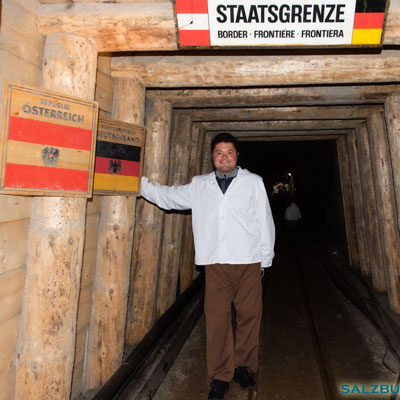
Being a licensed tour guide in Austria is a privilege, turning history, art, and culture into a life’s work. The profession also has its own peculiar rhythm: I usually travel when everyone else works or studies, and vice versa, I am busy when everyone else rests.
From Salzburg to Florence by Night Train
Last year, I explored the region around Naples. This time, I headed to Tuscany, putting together a spontaneous last-minute escape for myself. On March 3, I checked train ticket availability. By March 5, I was already on the night train to Florence. Only seats were available on the way there, which was not exactly comfortable, but for 150 euros return, including a sleeping compartment on the journey back, it was worth it.
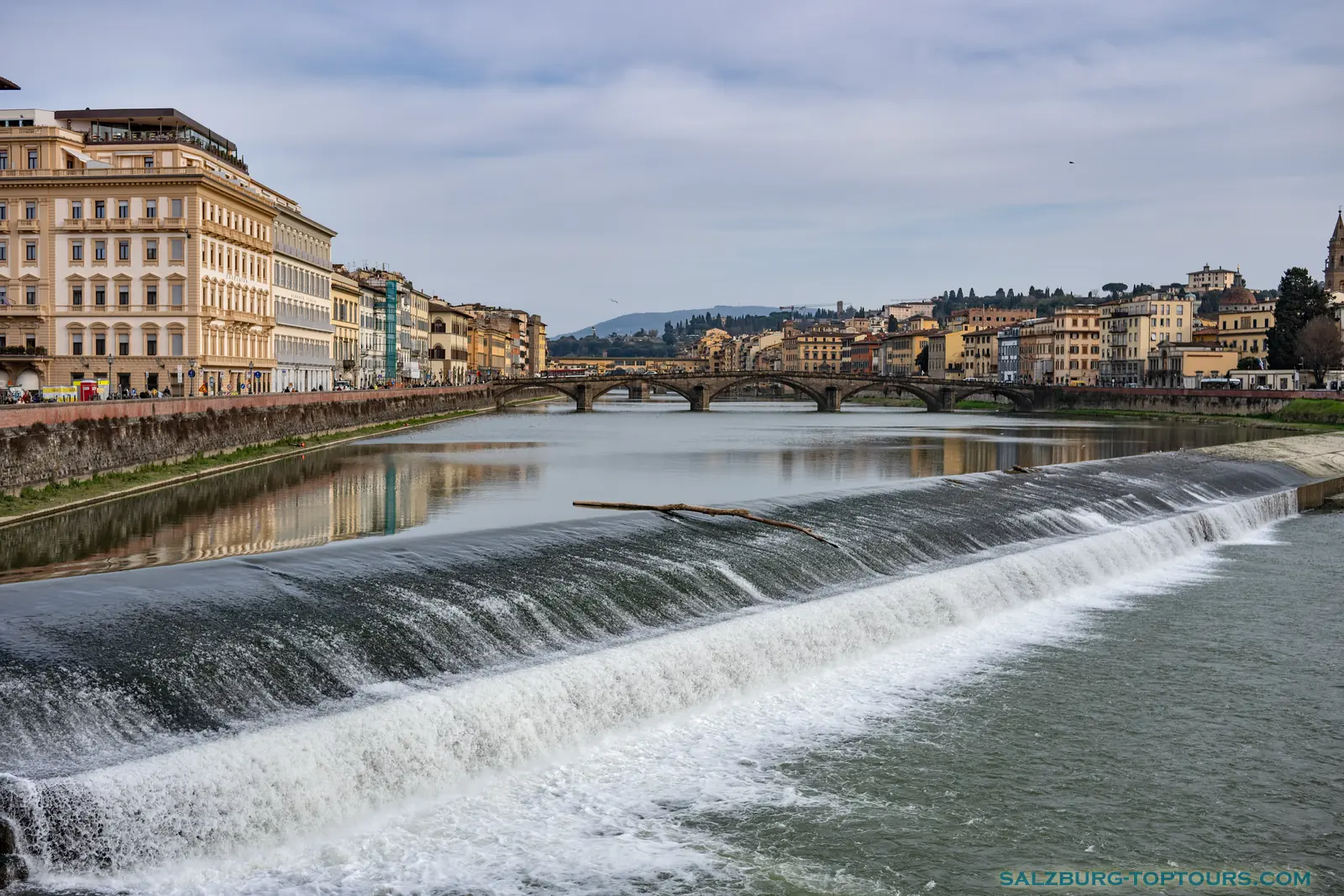
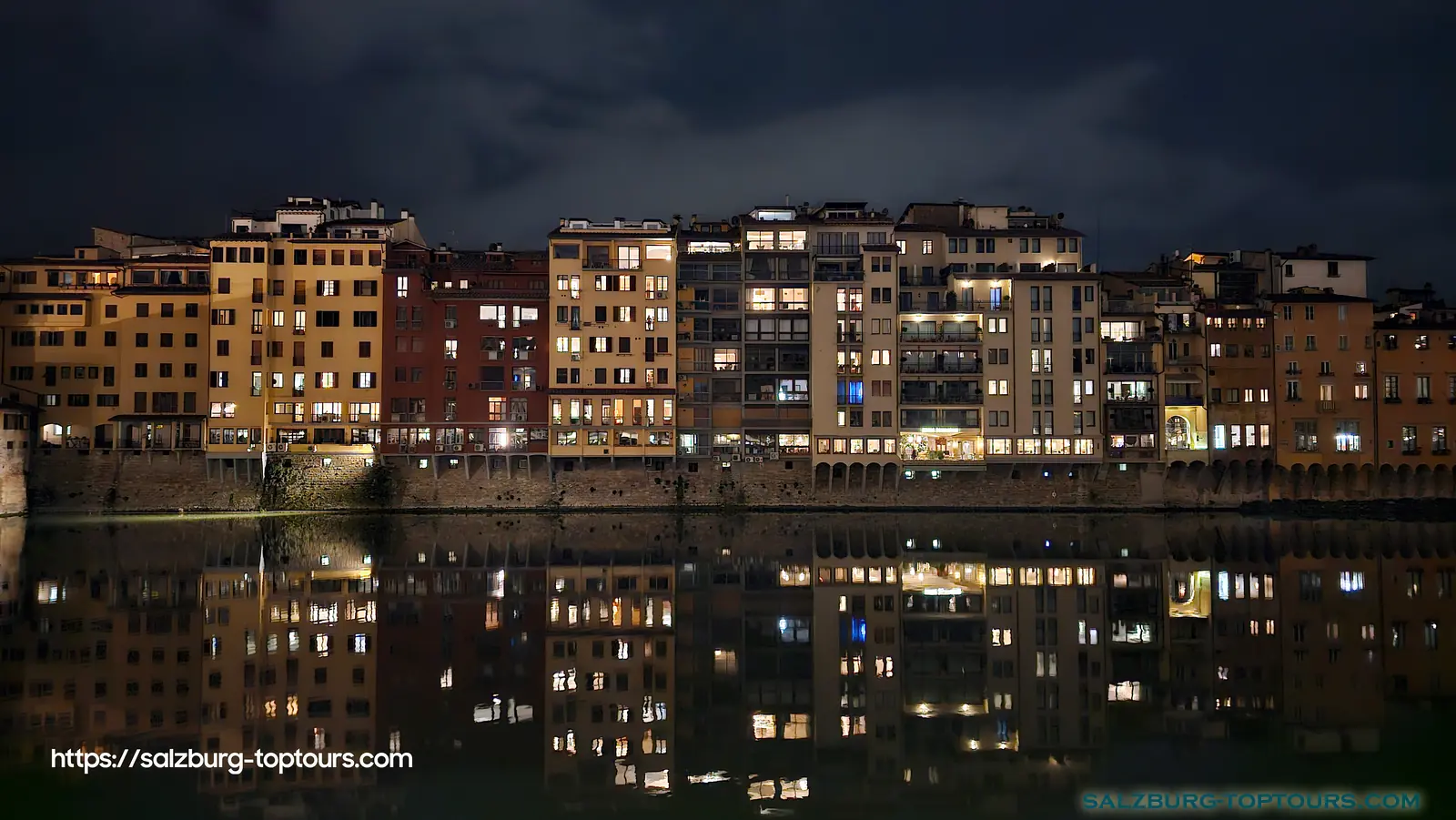
Arriving at six in the morning and feeling a bit worn out, I walked through the silence of a slumbering city to my rented apartment, perfectly situated near the Arno River on the edge of Florence’s Old Town. After a quick refreshment, it was time to immerse myself in history and experience the sheer elegance of the Renaissance.



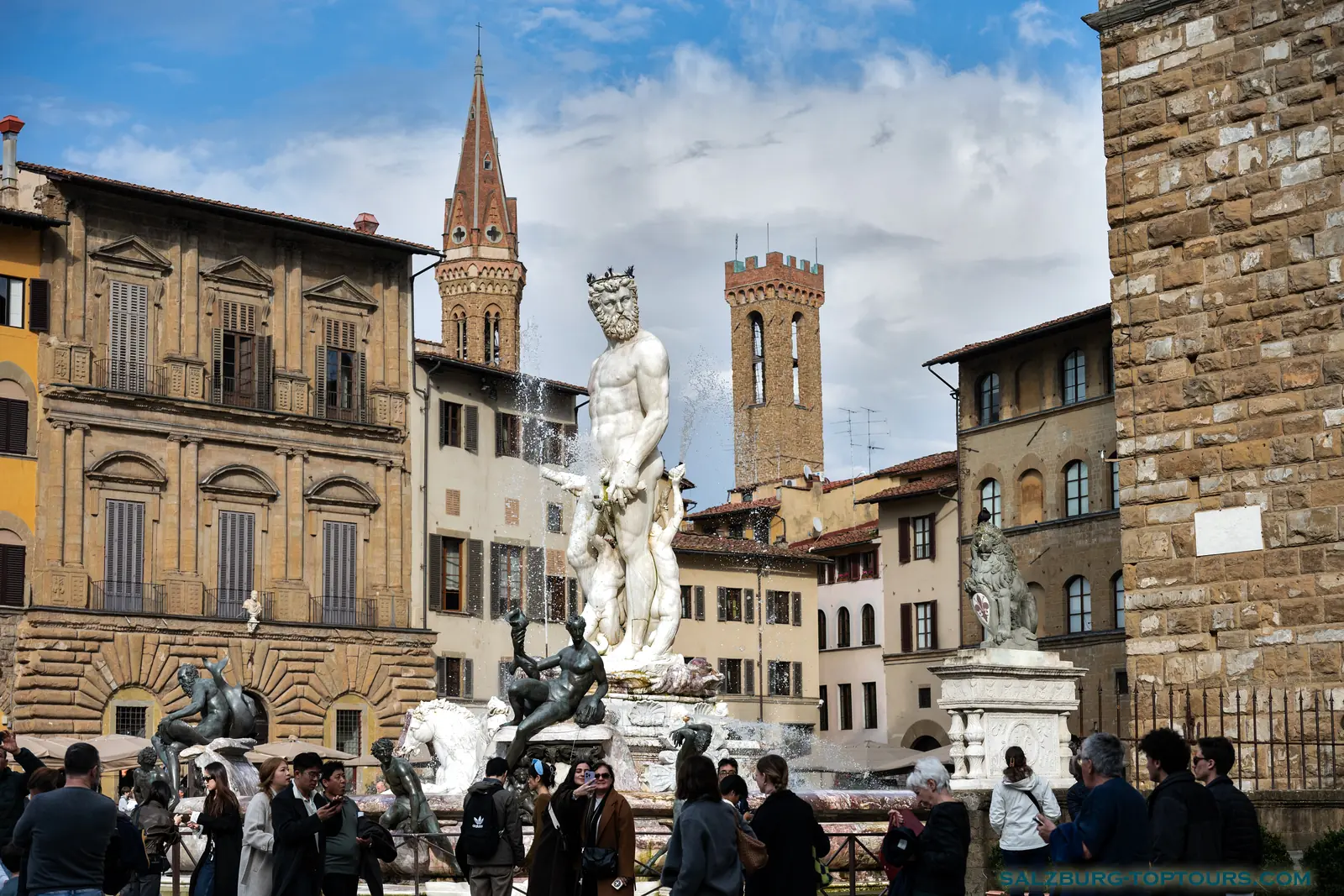
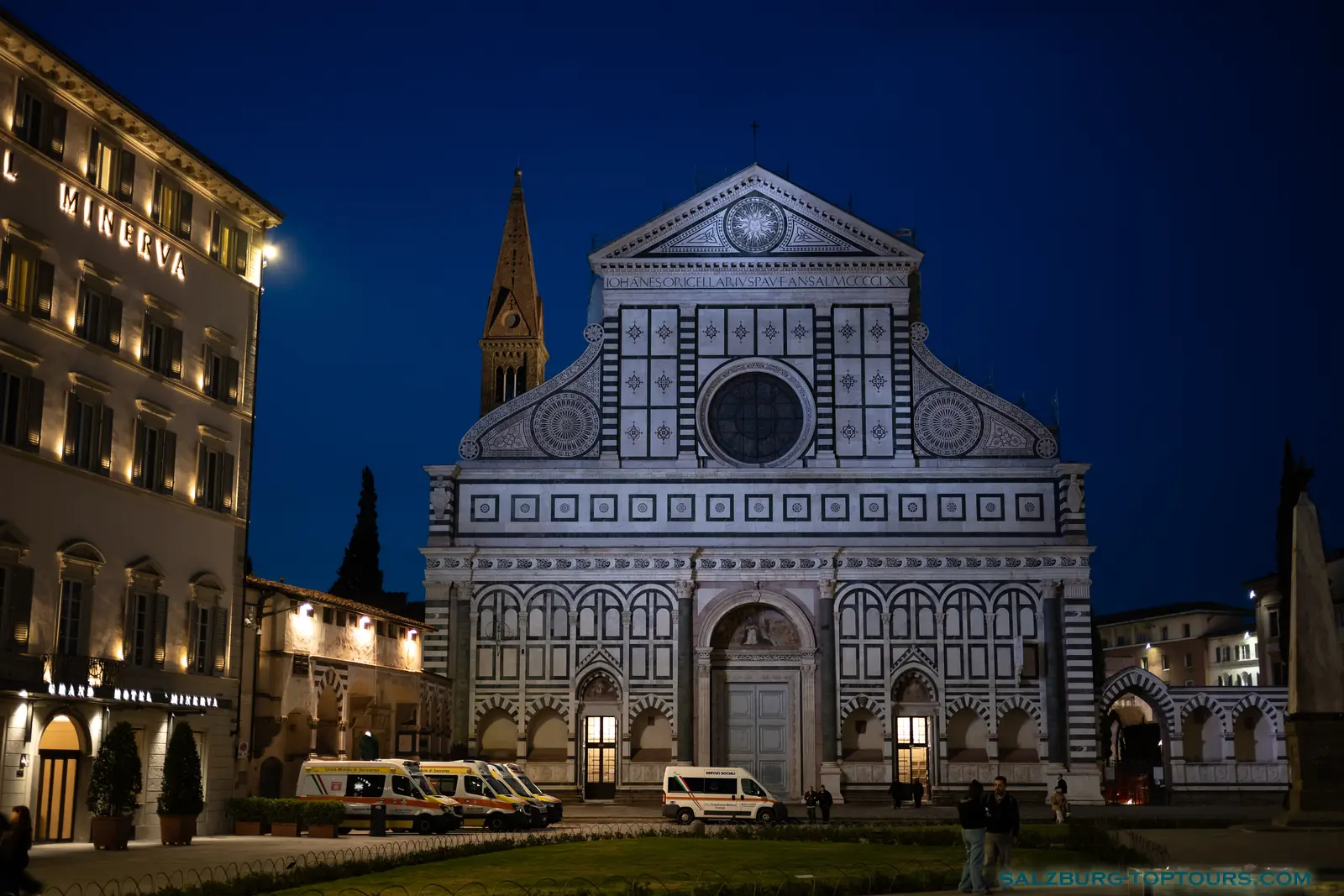
The Historical Connection Between Salzburg and Florence
Salzburg and Florence actually share quite a lot in common. Both were once sovereign principalities and maintained cultural and commercial ties. Two of Salzburg’s prince-archbishops were related to the Medici family.
For decades, the Florentine monk, designer, and painter Arsenio Mascagni lived and worked in Salzburg.
When you visit Hellbrunn Park and its Trick Fountains in Salzburg, you immediately wonder: 'Am I in Florence?' The design of the grottos feels exactly like that of the ones in the gardens of Palazzo Pitti.
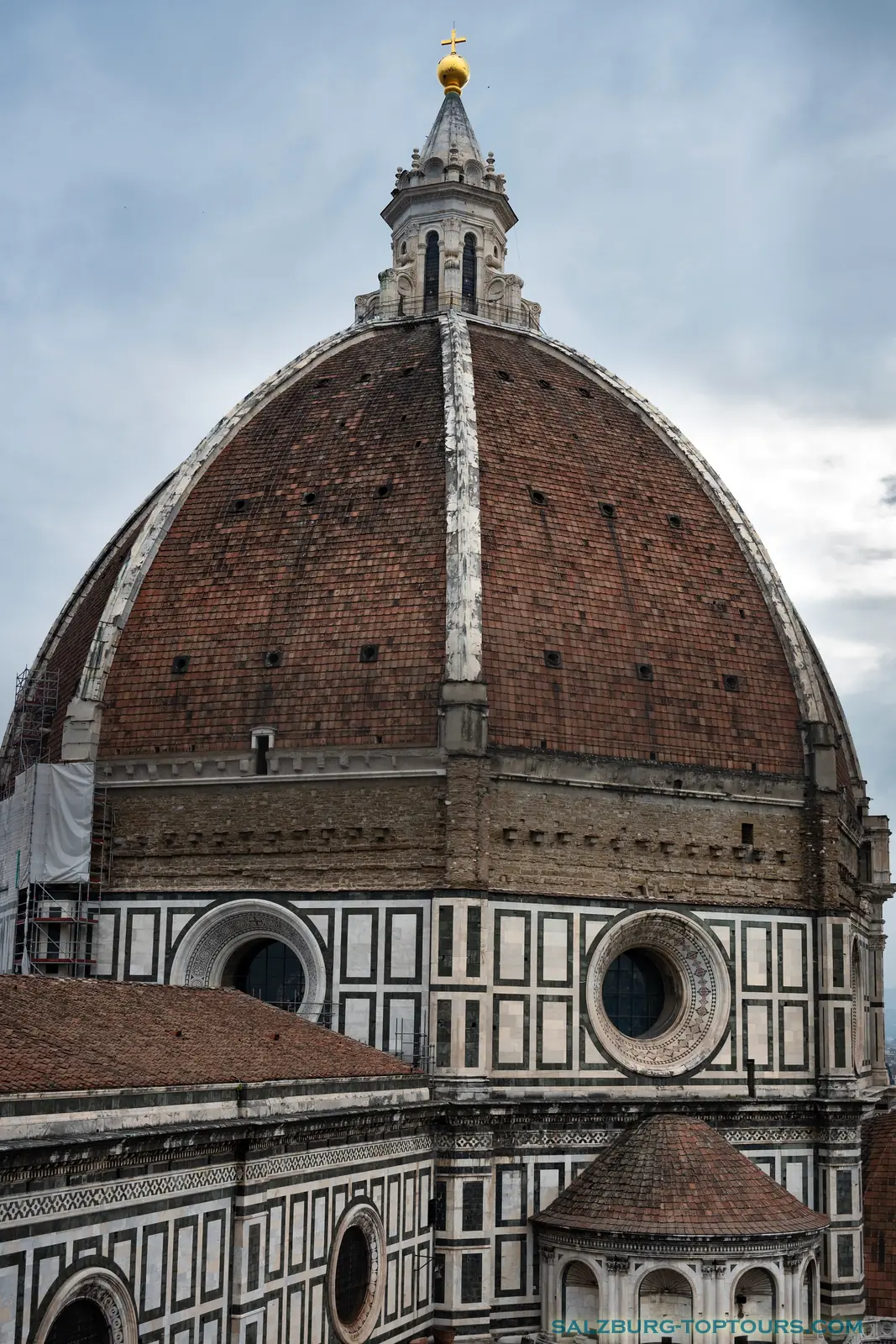
In fact, Salzburg Cathedral was originally meant to be modeled after Santa Maria del Fiore — if only Archbishop Wolf Dietrich von Reitenau hadn't been imprisoned in Hohensalzburg Fortress for his indiscretions. If you book a walking tour of Salzburg with me, you will learn many interesting details about the Archbishop's life.
And how many coats of arms with jumping capricorns are found on the buildings of Florence and Salzburg! They are reminders of the influential Altemps-Hohenems family, whose members included the Salzburg Prince-Archbishop Markus Sittikus.








Visiting the Uffizi Gallery and Palazzo Pitti
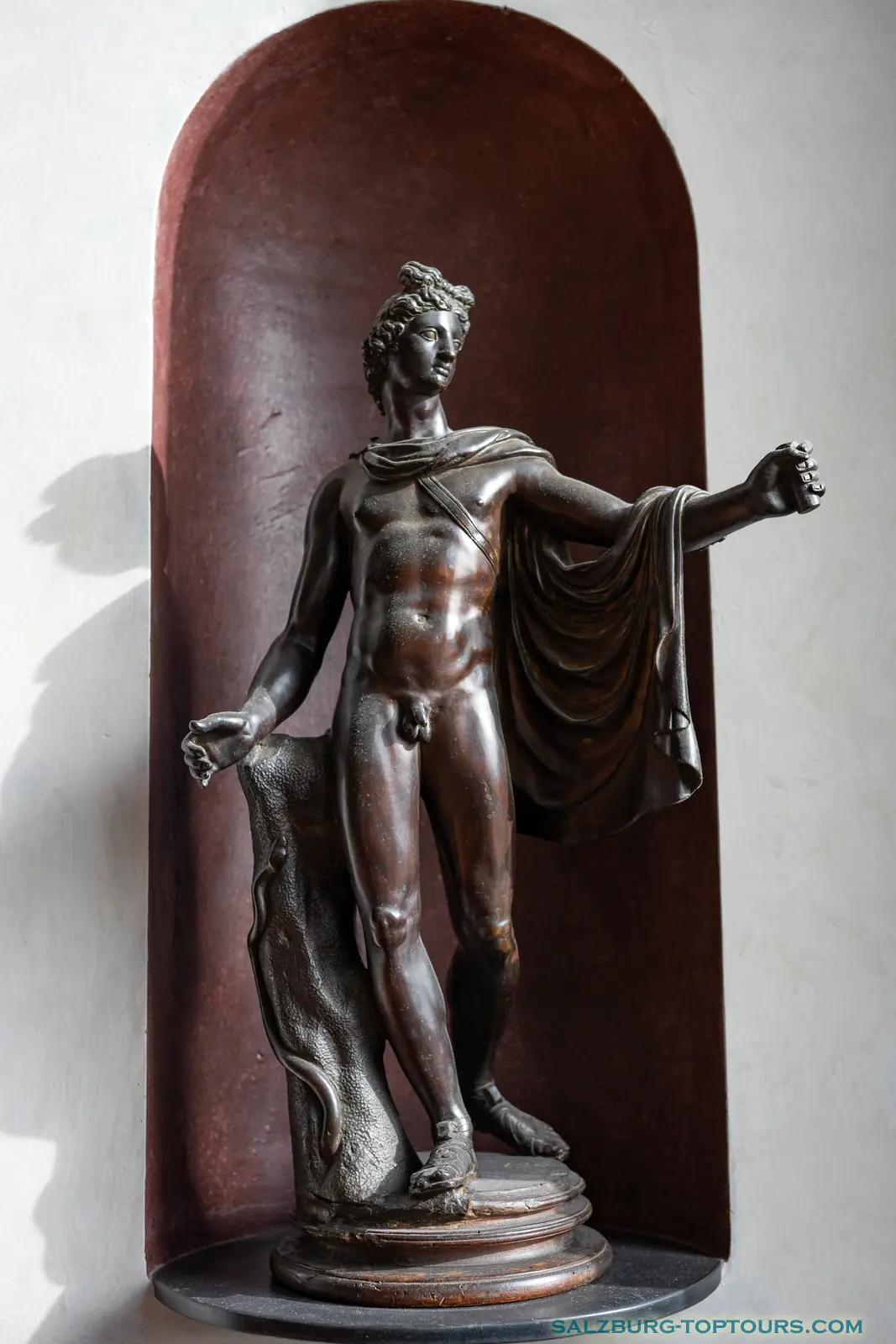
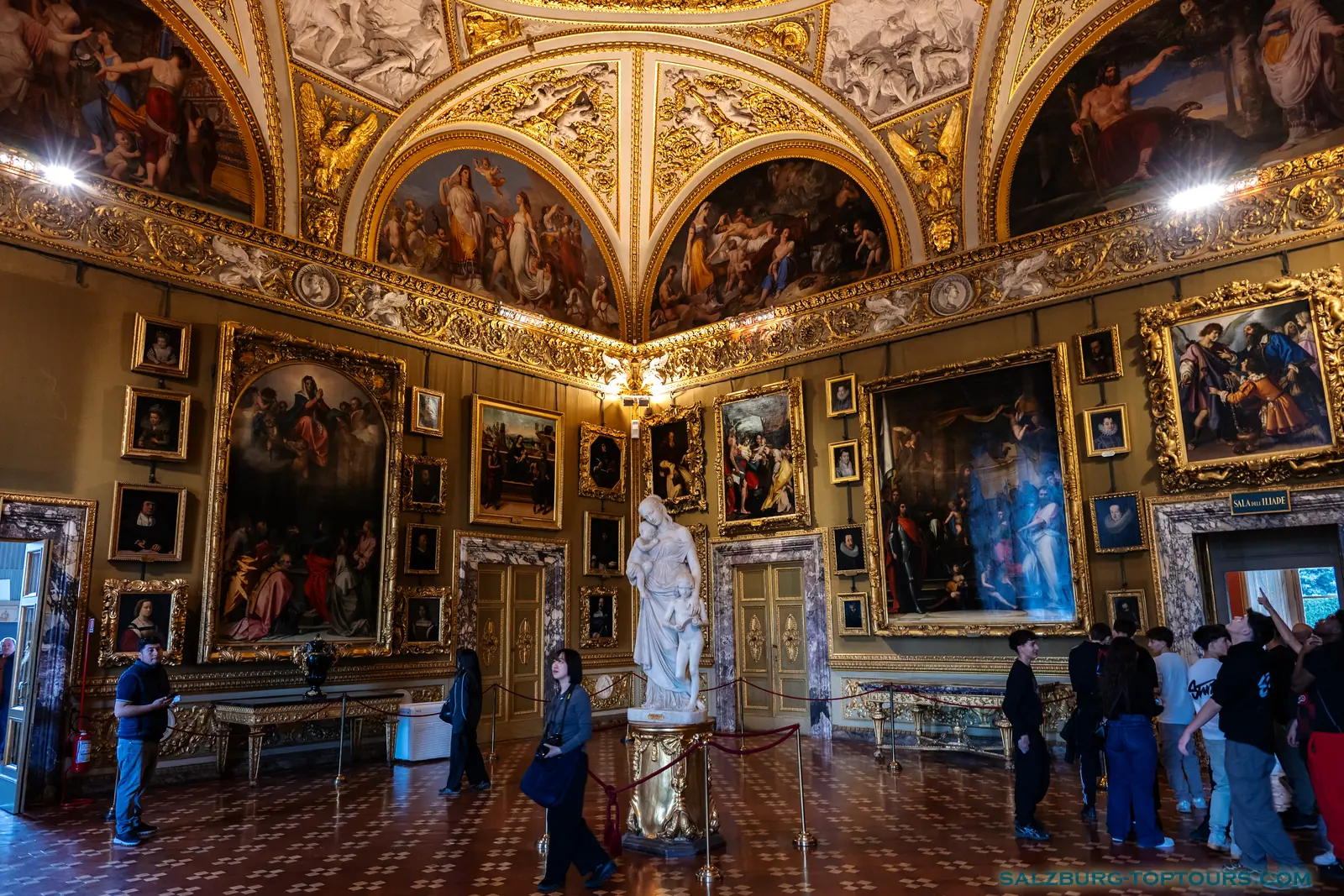
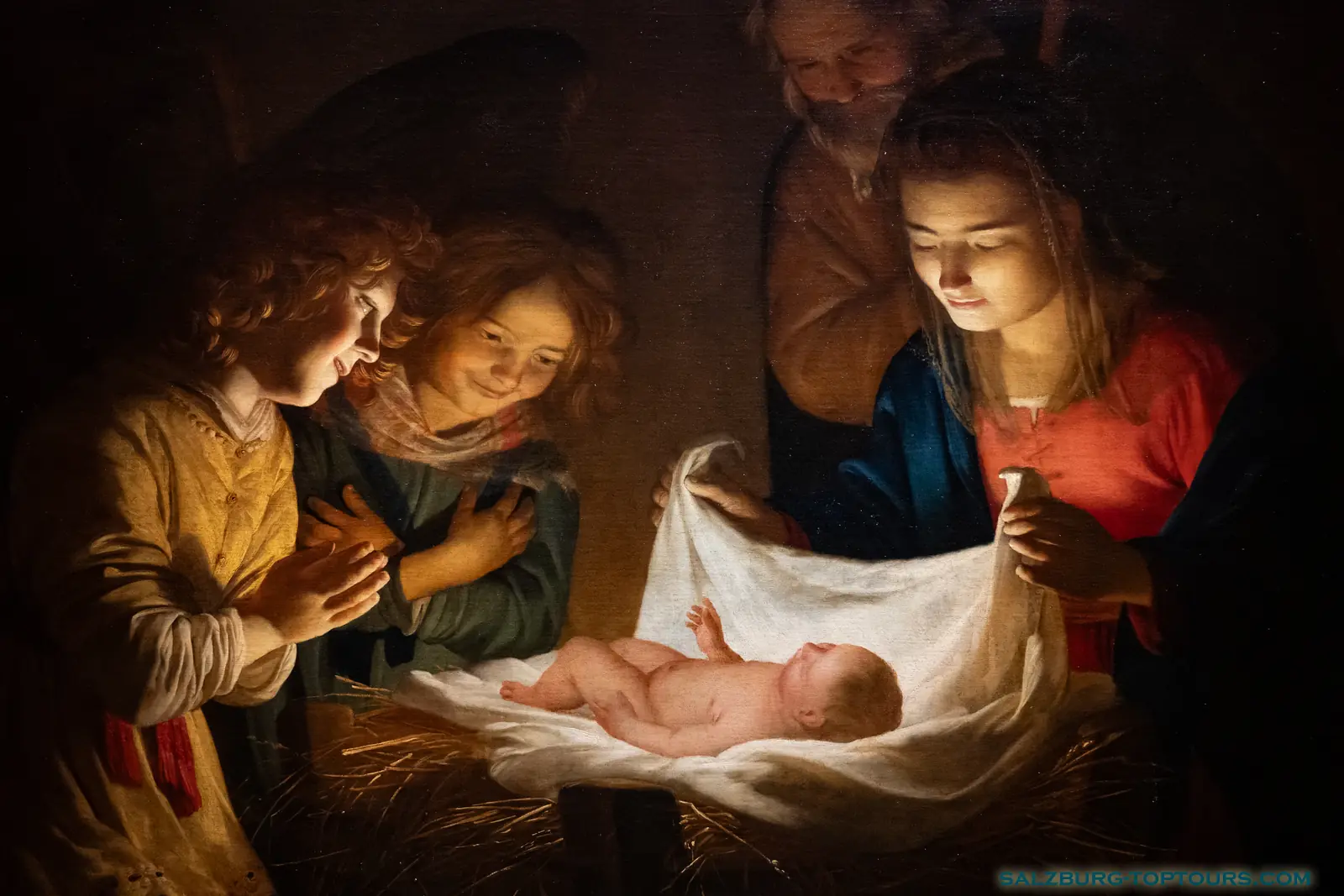
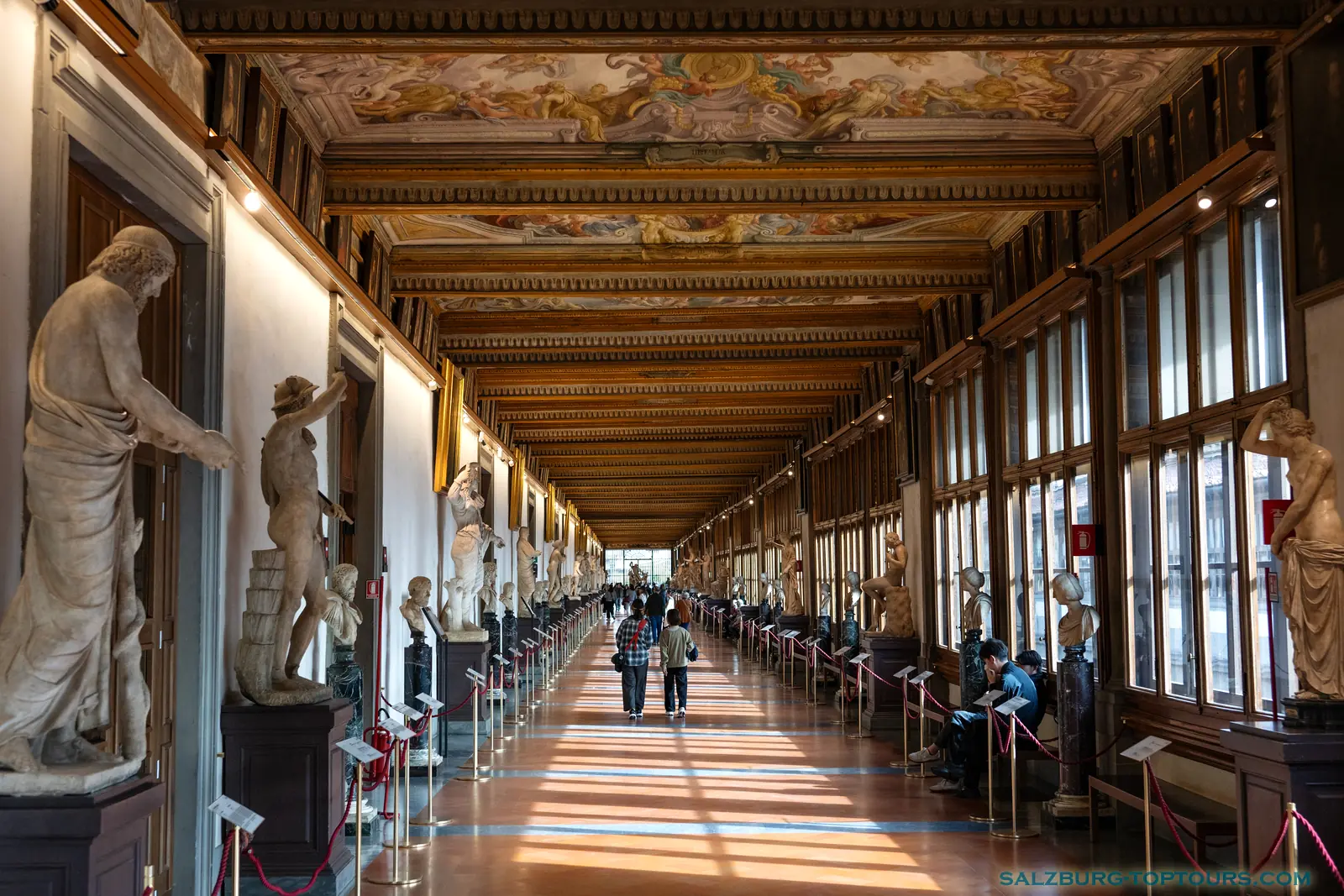
My six-day journey began at 8 a.m. in the Uffizi Gallery. Seeing the masterpieces of painters and sculptors, I had previously known only from books during my Austria Guide studies. What amazed me - hardly any queues and none of the usual pandemonium in front of masterpieces like Botticelli's The Birth of Venus. Early March is definitely an excellent time to experience Florence and Tuscany without long lines and the hassle of hunting for parking when I rented a car later.
I also walked through the recently opened Vasari Corridor, which leads toward the gardens of Palazzo Pitti. Thanks to my professional background, I could quickly connect the historical context behind the museums and collections.






Climbing the Towers and Visiting the Medici Chapels
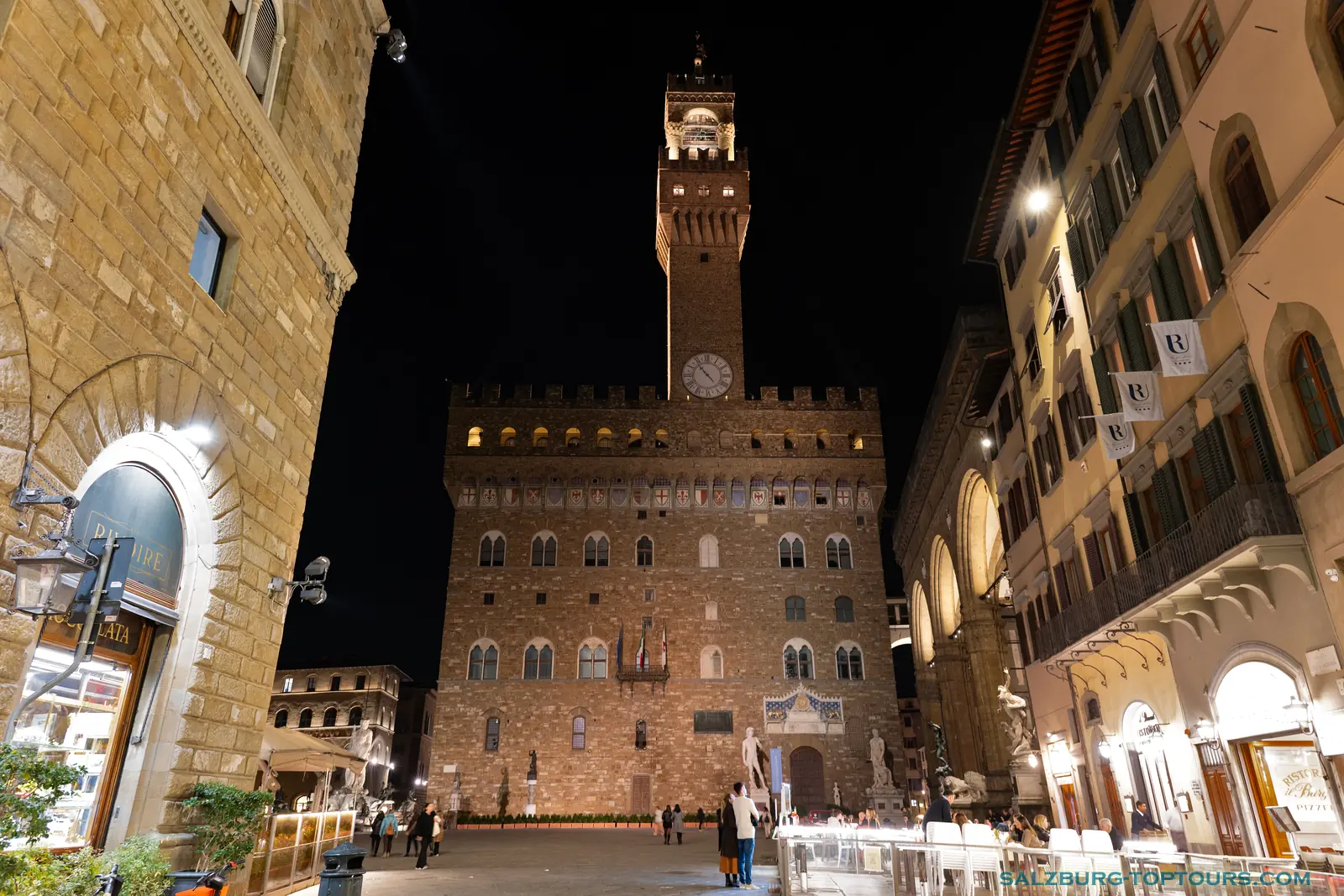
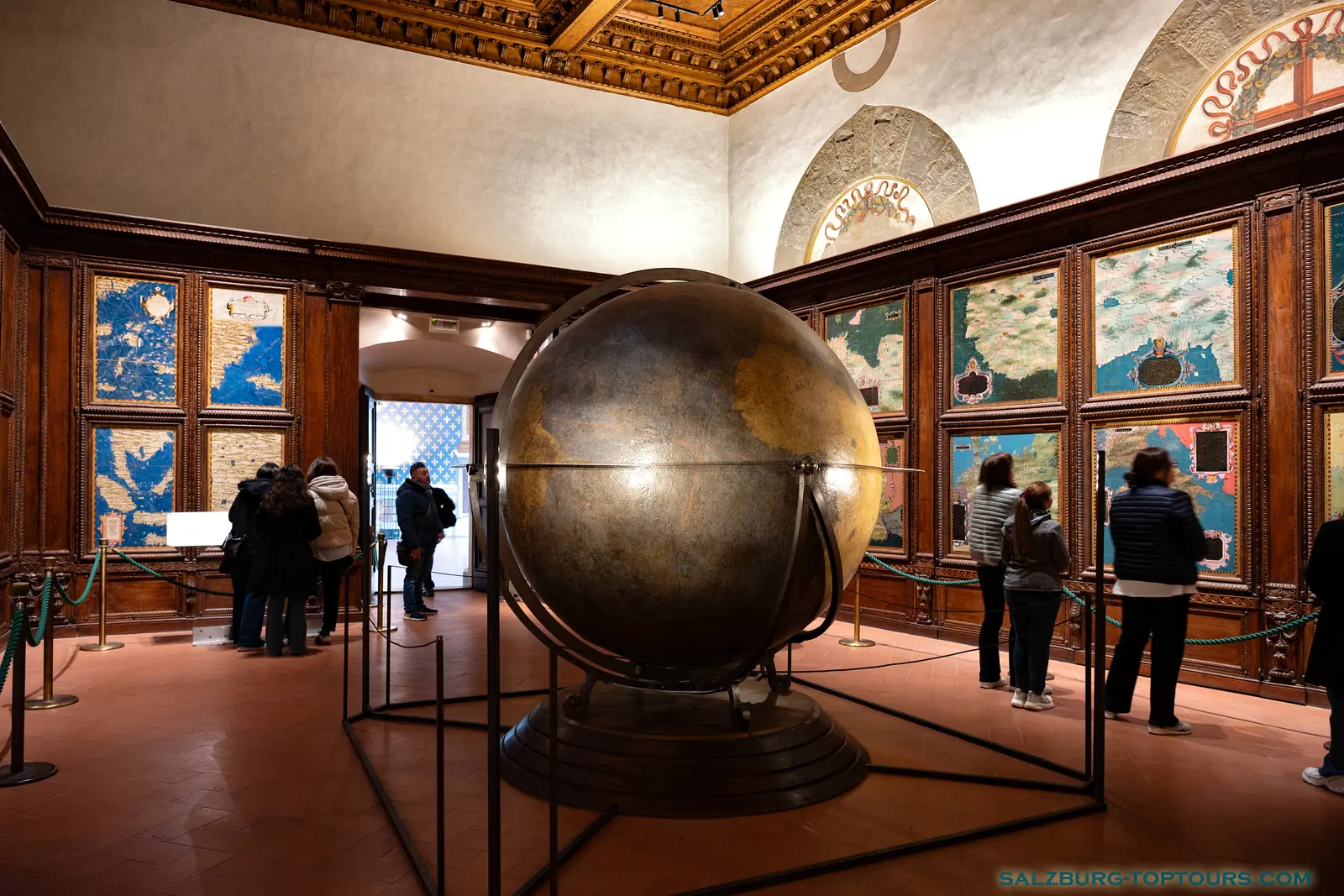
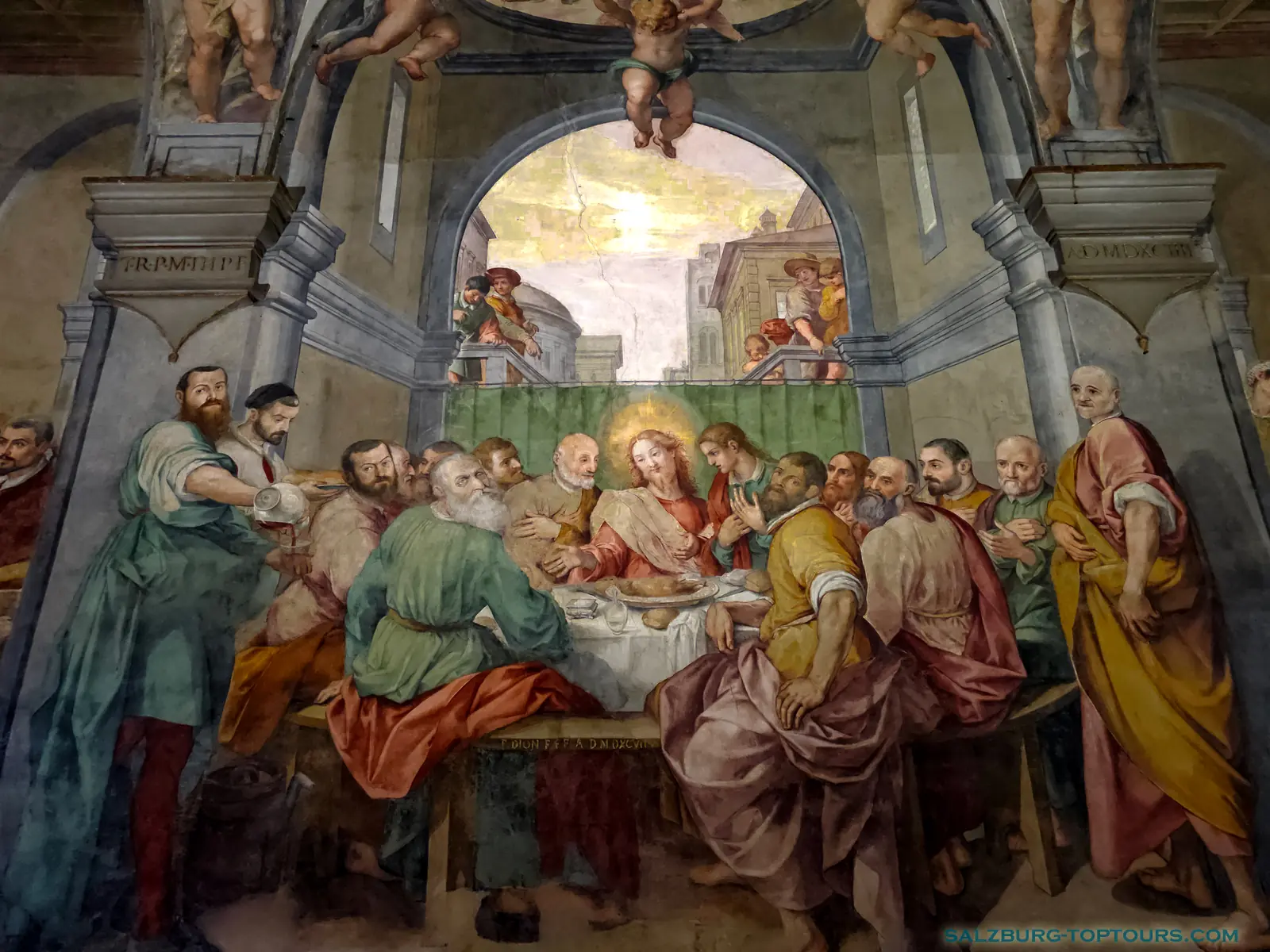
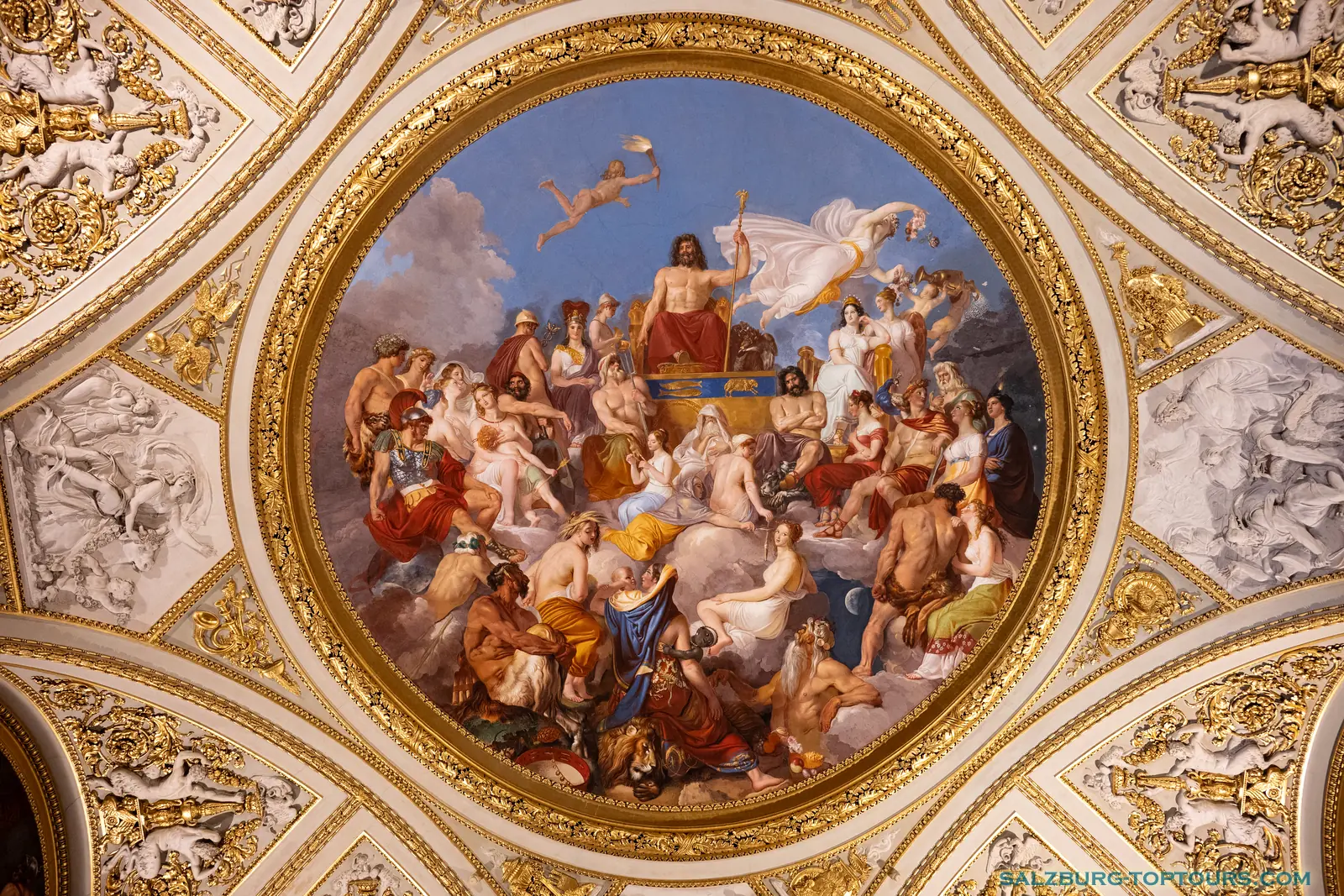
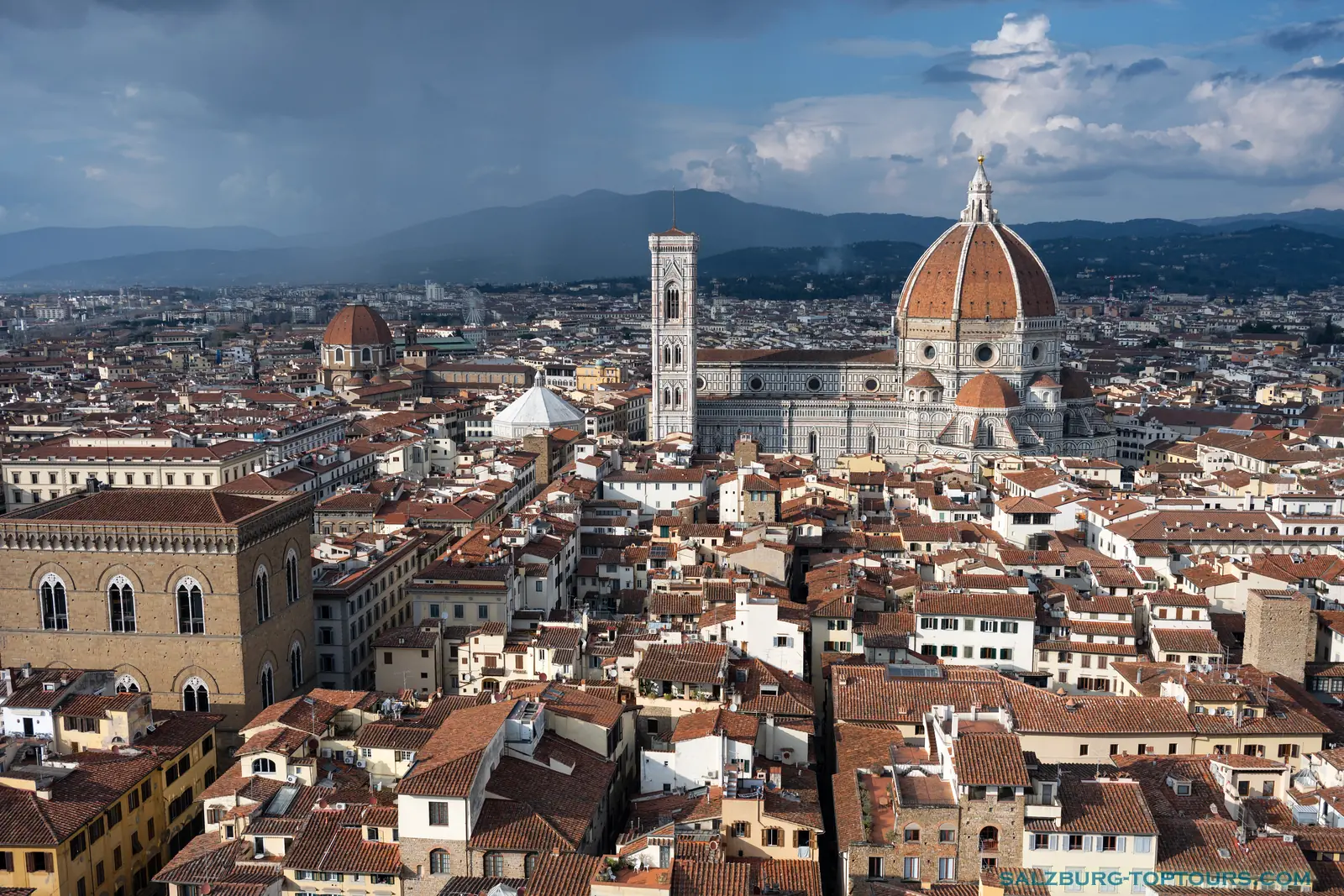
Of all the incredible museums, my personal favorite became the Palazzo Vecchio and its tower. The frescoes, grand interiors, and ceremonial halls perfectly capture the political power and atmosphere of Renaissance Florence.
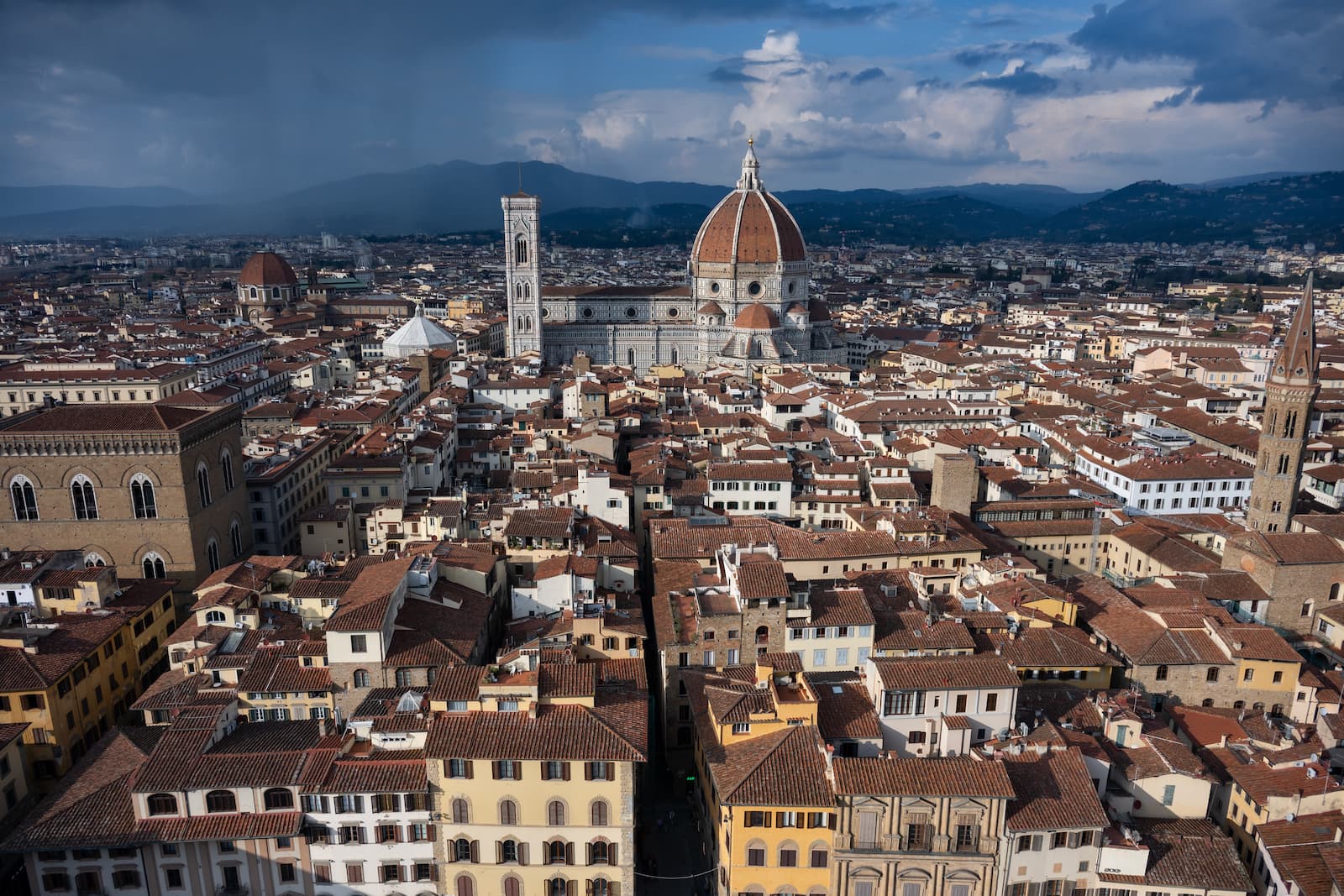
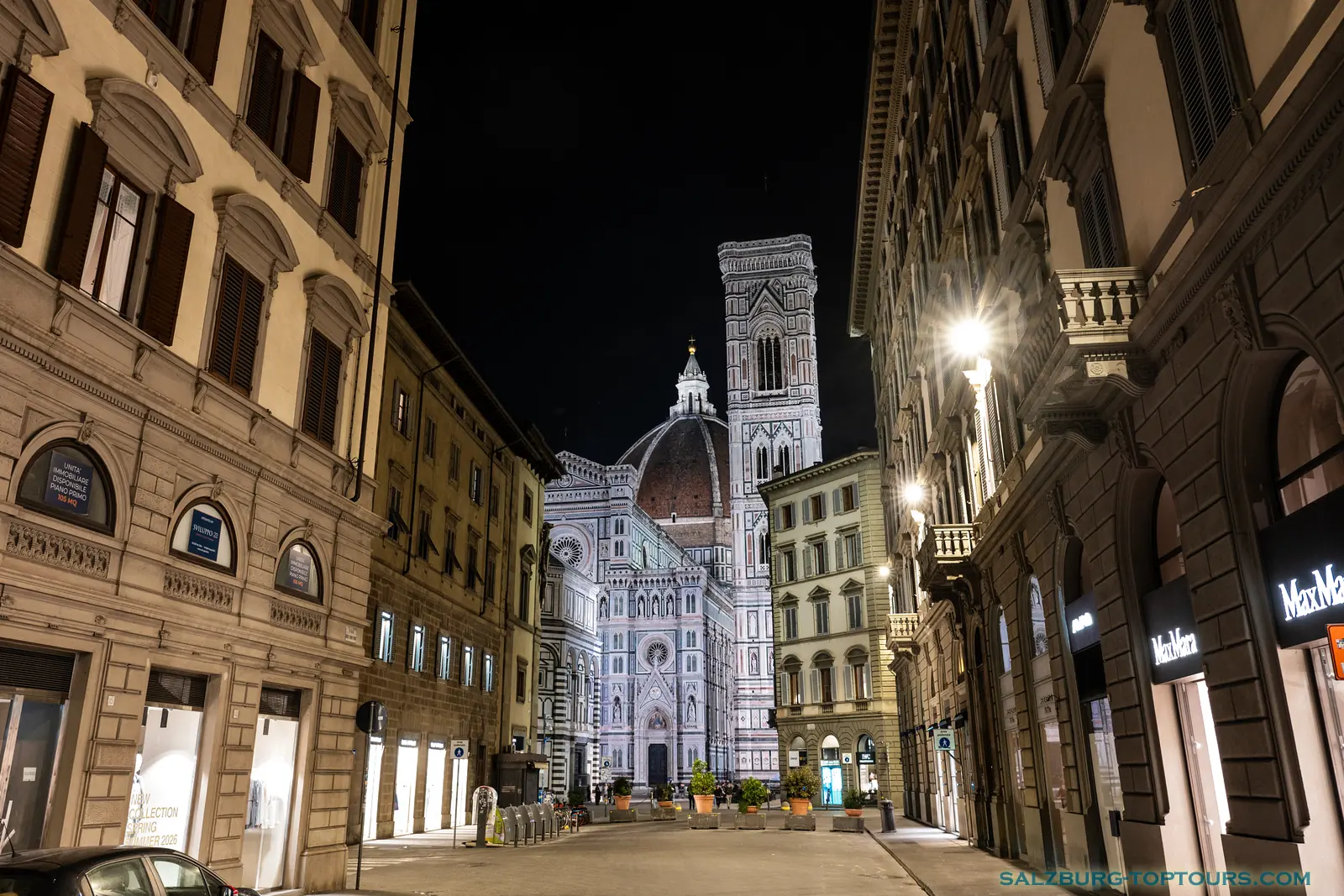
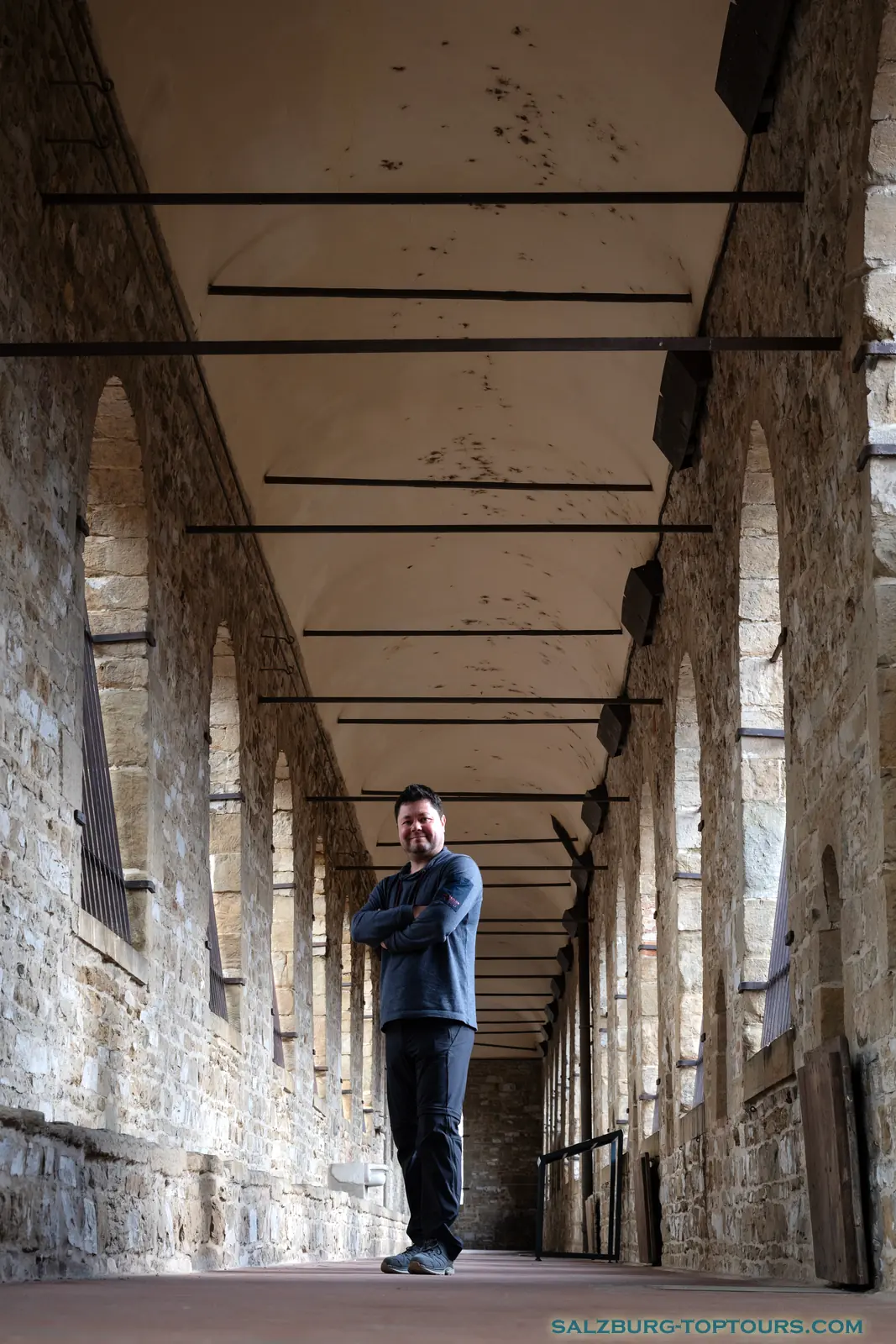
Brunelleschi’s Dome never stops astonishing you. But one of my favorite moments was an early morning run up the spiral staircase of Giotto’s Campanile at 8 a.m., before the city fully woke up.
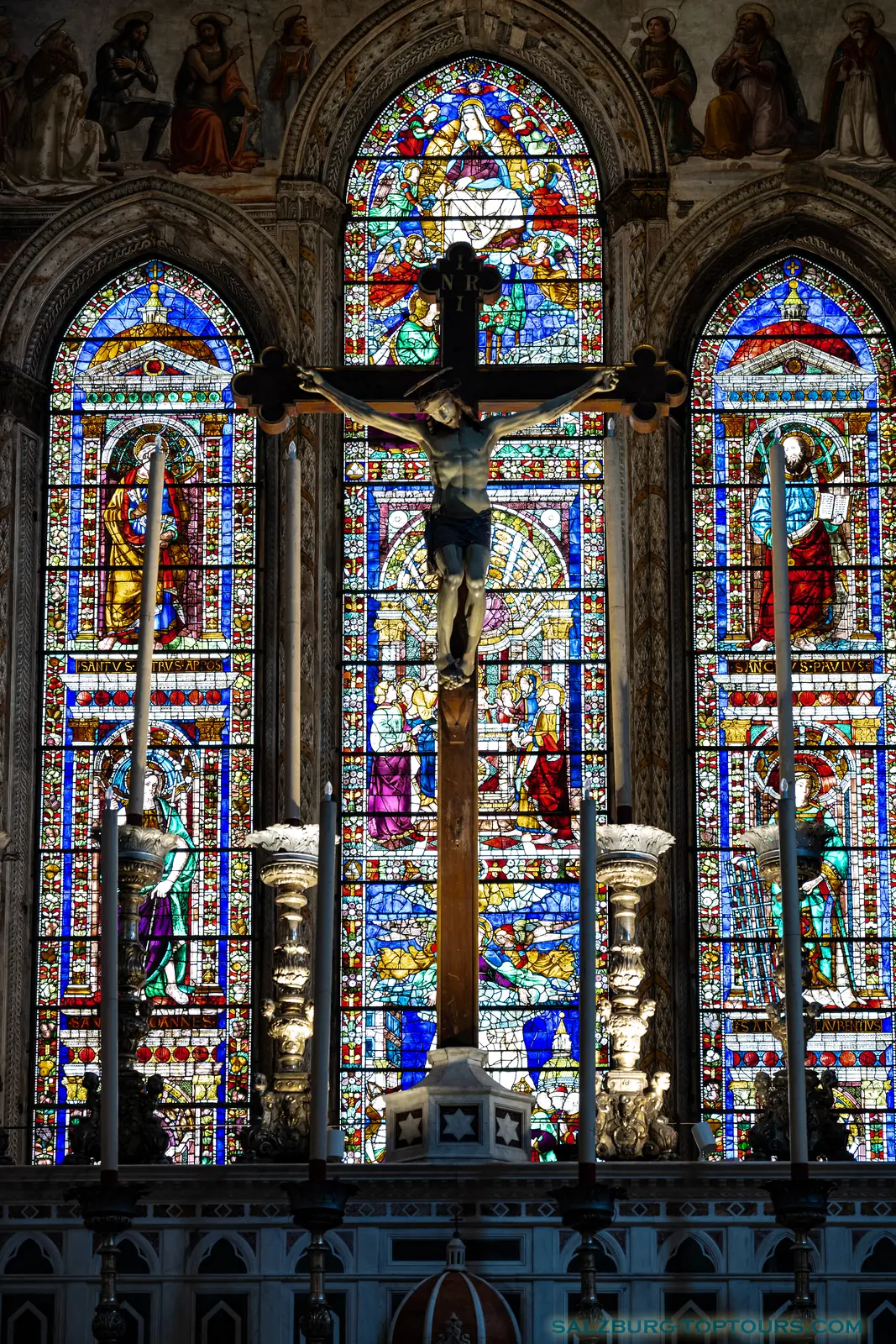
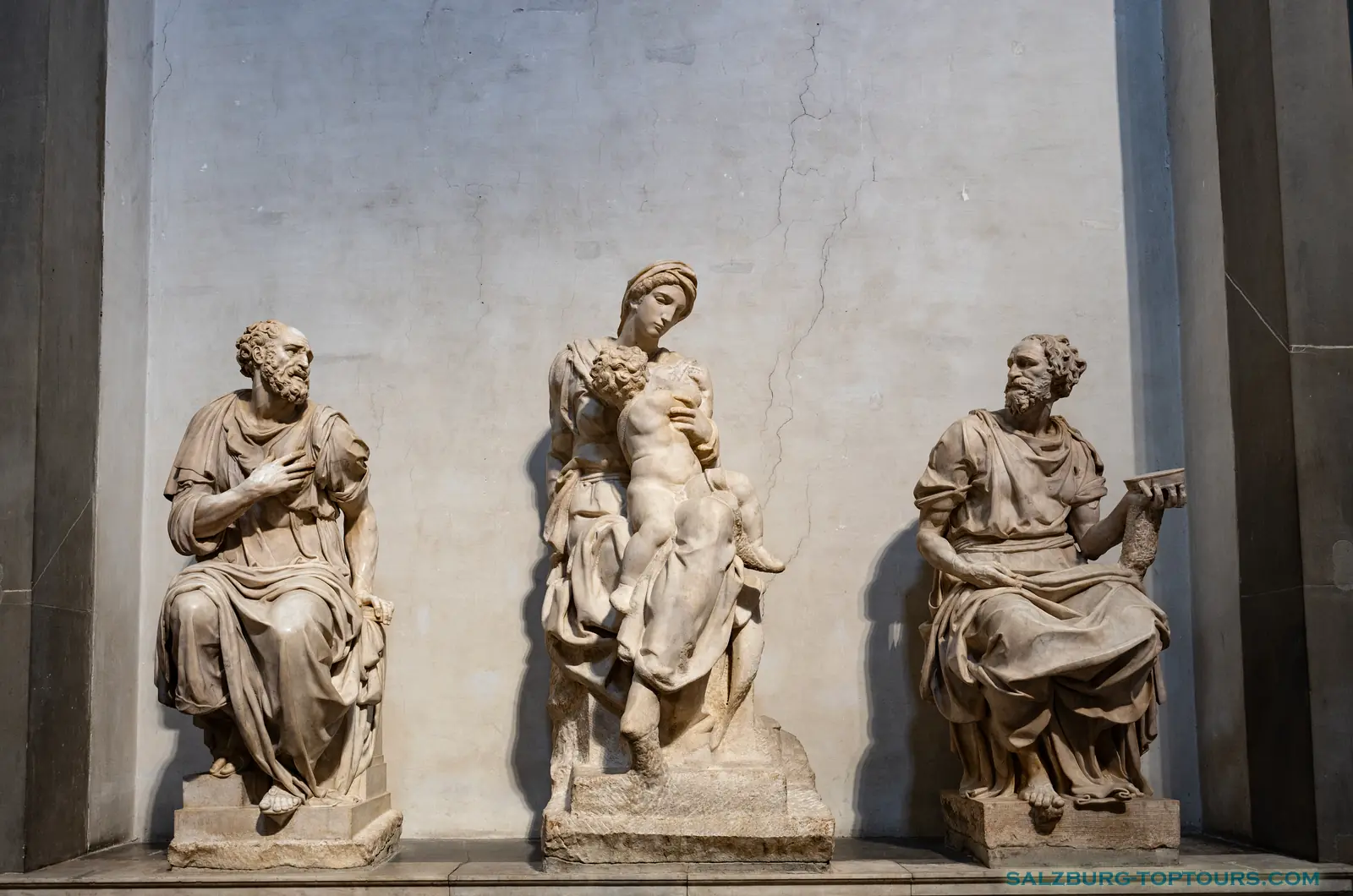
I was especially impressed by the Medici Chapels beneath the Church of San Lorenzo — an extraordinary mausoleum featuring works connected to Michelangelo and Donatello. Standing there, I suddenly remembered that, as a child, these names meant nothing more to me than "Ninja Turtles."
There, I also visited the grave of Ferdinand of Tuscany, a member of the Habsburg family, who briefly ruled Salzburg as prince-elector between 1803 and 1806.







The Medici Family: Banking, Power, and the Church
Looking at all this wealth and grandeur, you inevitably begin to wonder what stood behind such magnificence. Many influential Renaissance families originally built their fortunes through the textile trade. Wool and cloth created the capital that later opened the doors to finance and politics. Like the Medici, they also began their journey in the weaving trade.
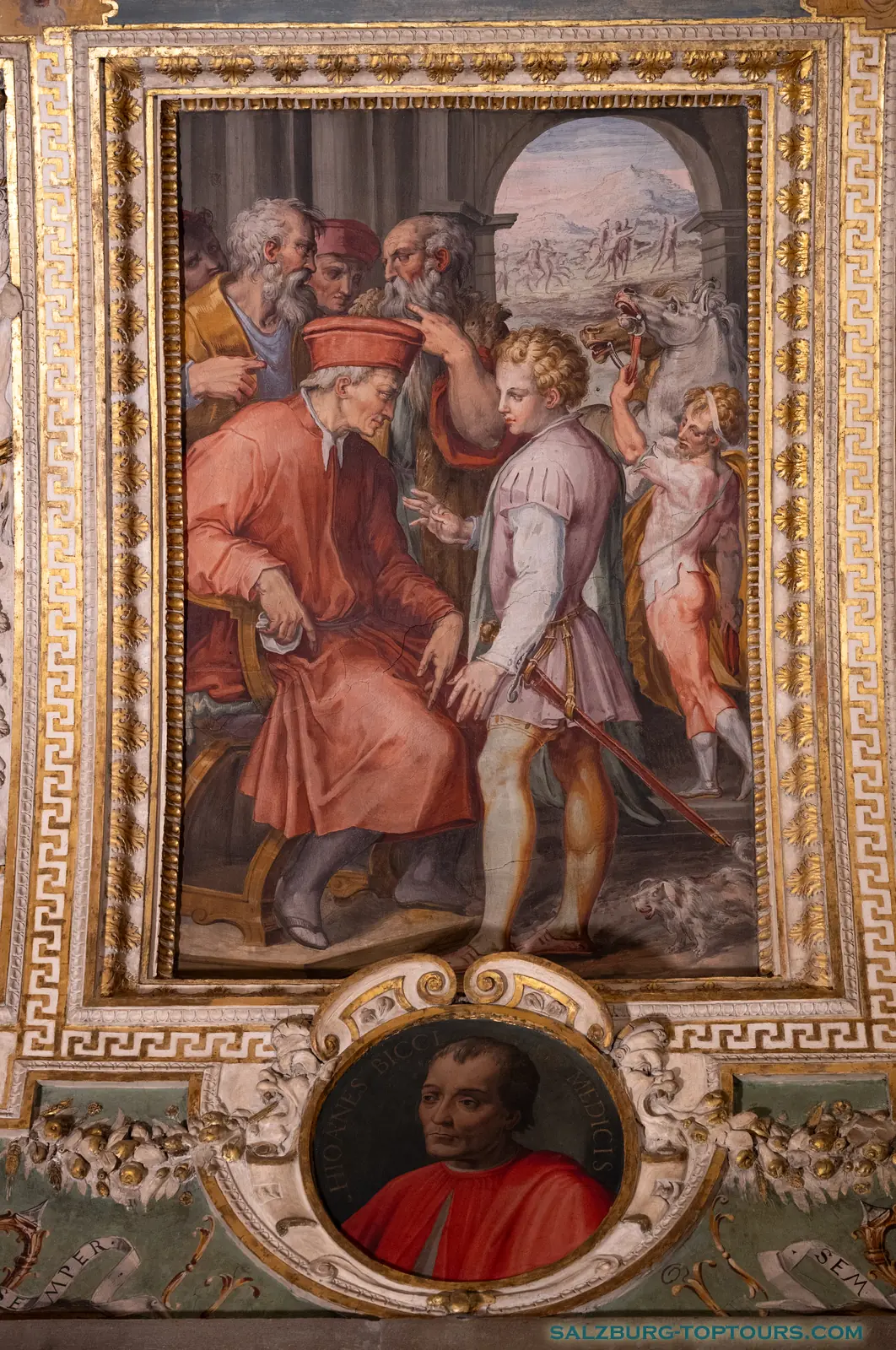
The Medici themselves were merchants, bankers, creditors, and money changers. They operated right on the edge of church morality. Figures like Giovanni, Cosimo, and Lorenzo de’ Medici developed financial systems that technically respected the law while quietly challenging religious doctrine. To keep the Church supportive — or at least silent — families often generously funded religious institutions or placed relatives in powerful church positions, such as cardinals or even popes.
Since medieval Christianity strongly condemned usury, money lending in many parts of Europe was often left to communities operating under different legal and religious traditions, including Jewish merchants and financiers.
The central conflict was simple: Christianity encouraged helping your neighbor without seeking profit in return. Banking, however, depended on earning interest from loans. Both the Bible and theologians strongly criticized usury. As written in Luke 6:35: 'Lend, expecting nothing in return.' Time belongs to God; therefore, a banker earning profit by waiting was seen as stealing time from God. That was the core of the conflict.
And yet, no matter how successful politicians, merchants, or clerics became, the fear of divine judgment always remained. Perhaps that is why families like the Medici invested so heavily in charity, churches, and works of art dedicated to God — commissioning masterpieces to brilliant architects, artists, sculptors, and inventors.
Following the Medici era, the Fugger from Augsburg became the world's richest family.
Once you understand this, many things suddenly begin to make sense.






Exploring Tuscany by Car: San Gimignano, Volterra, Livorno, Pisa
After three intense days in Florence — visiting museums and churches, climbing towers and hills, and, thanks to my Austria Guide license, entering many museums in Italy for free — I rented a car as always by LocAuto and continued my journey through Tuscany.
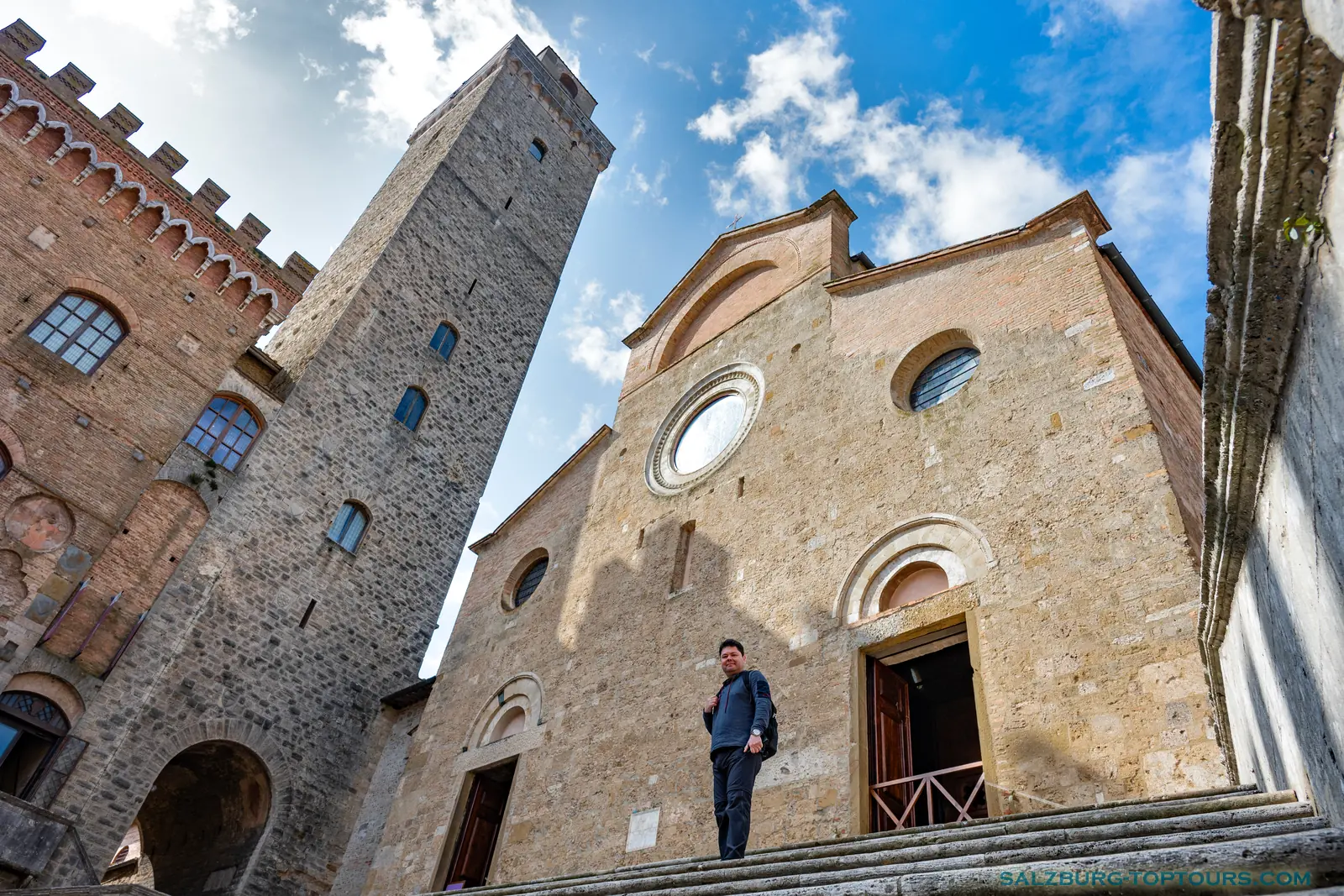
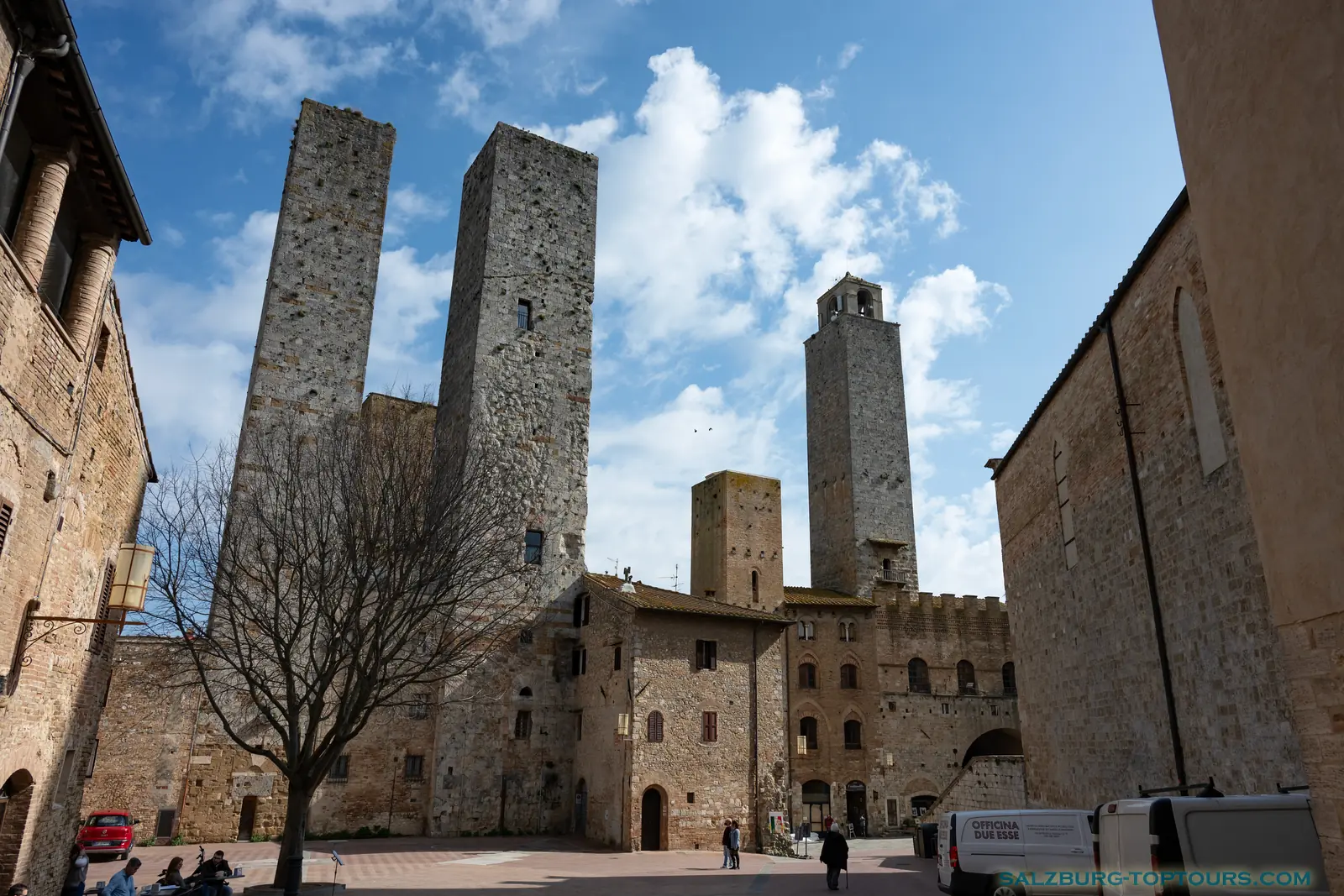
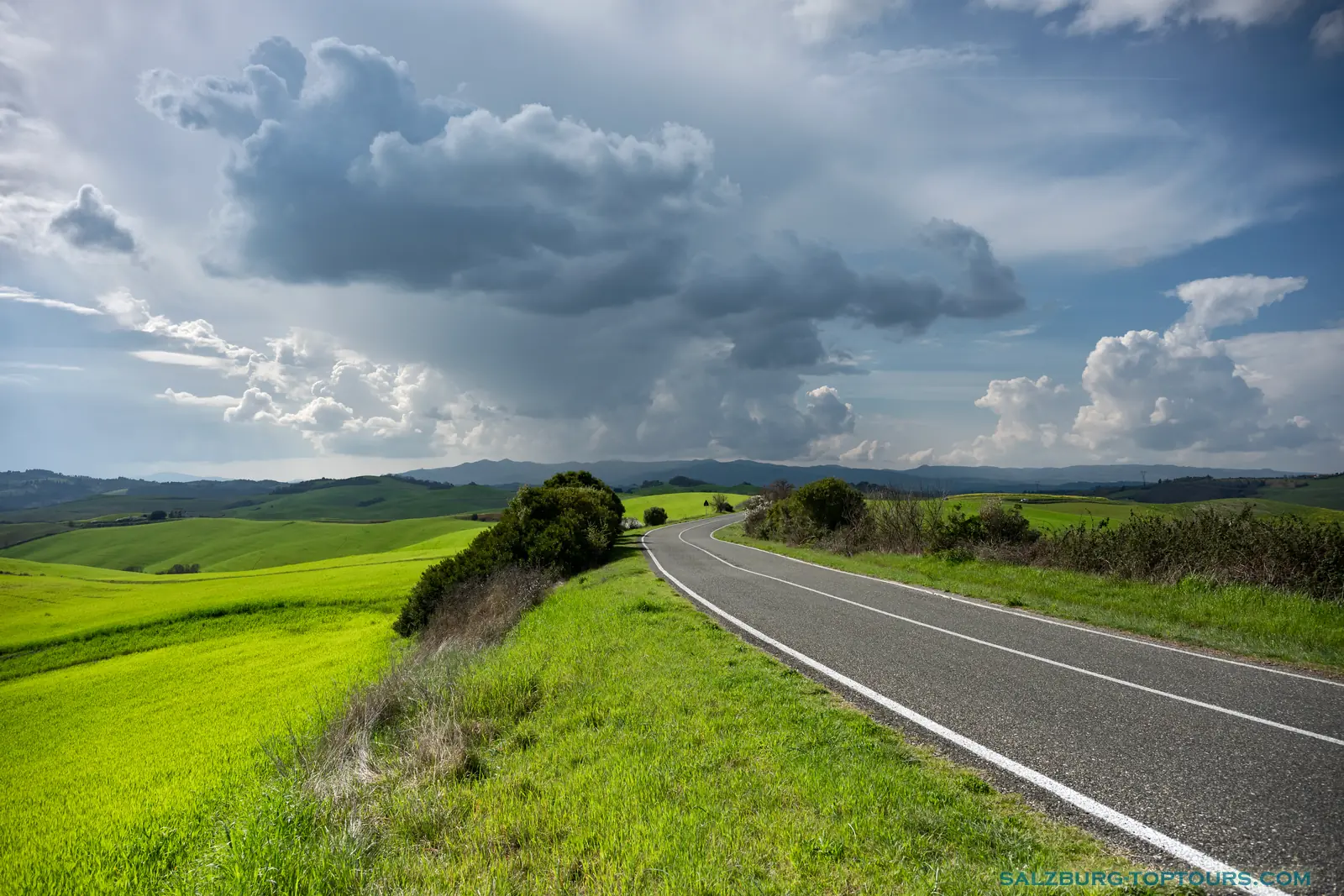
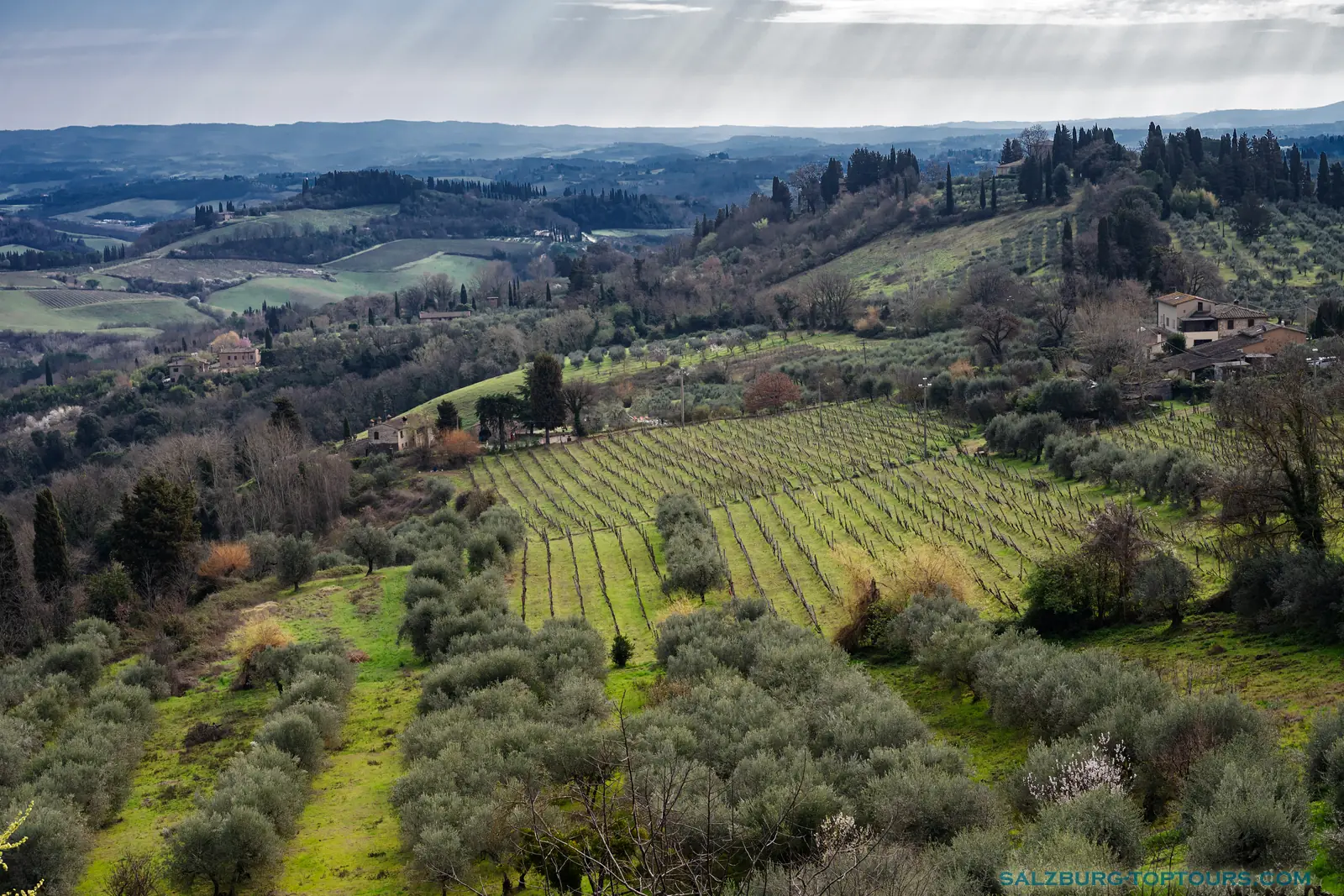
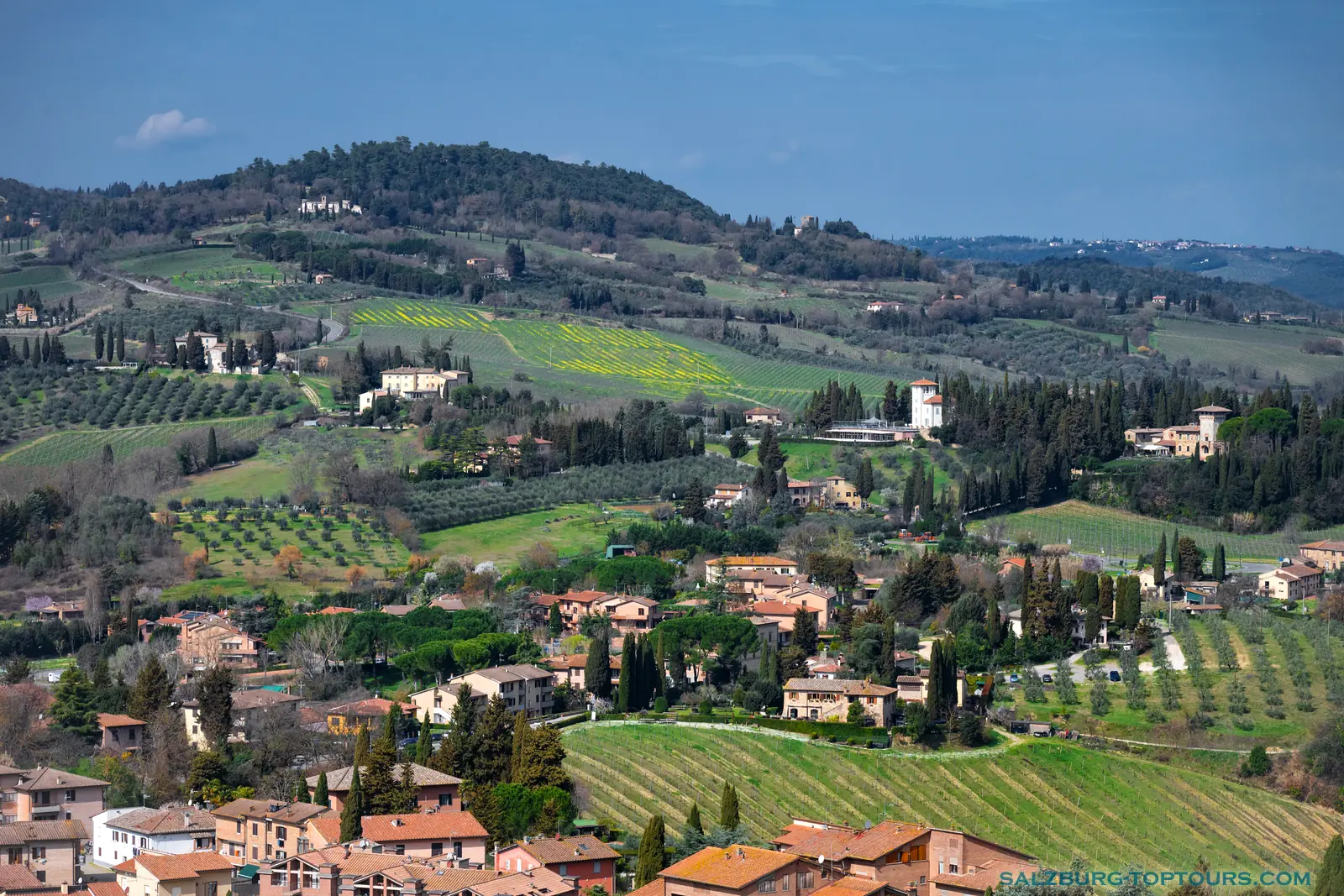
My first road trip lasted two days. I drove through classic Tuscan destinations: San Gimignano, often called the medieval Manhattan; Volterra, an extraordinary ancient hill town; and Castiglioncello, a peaceful Mediterranean seaside resort.
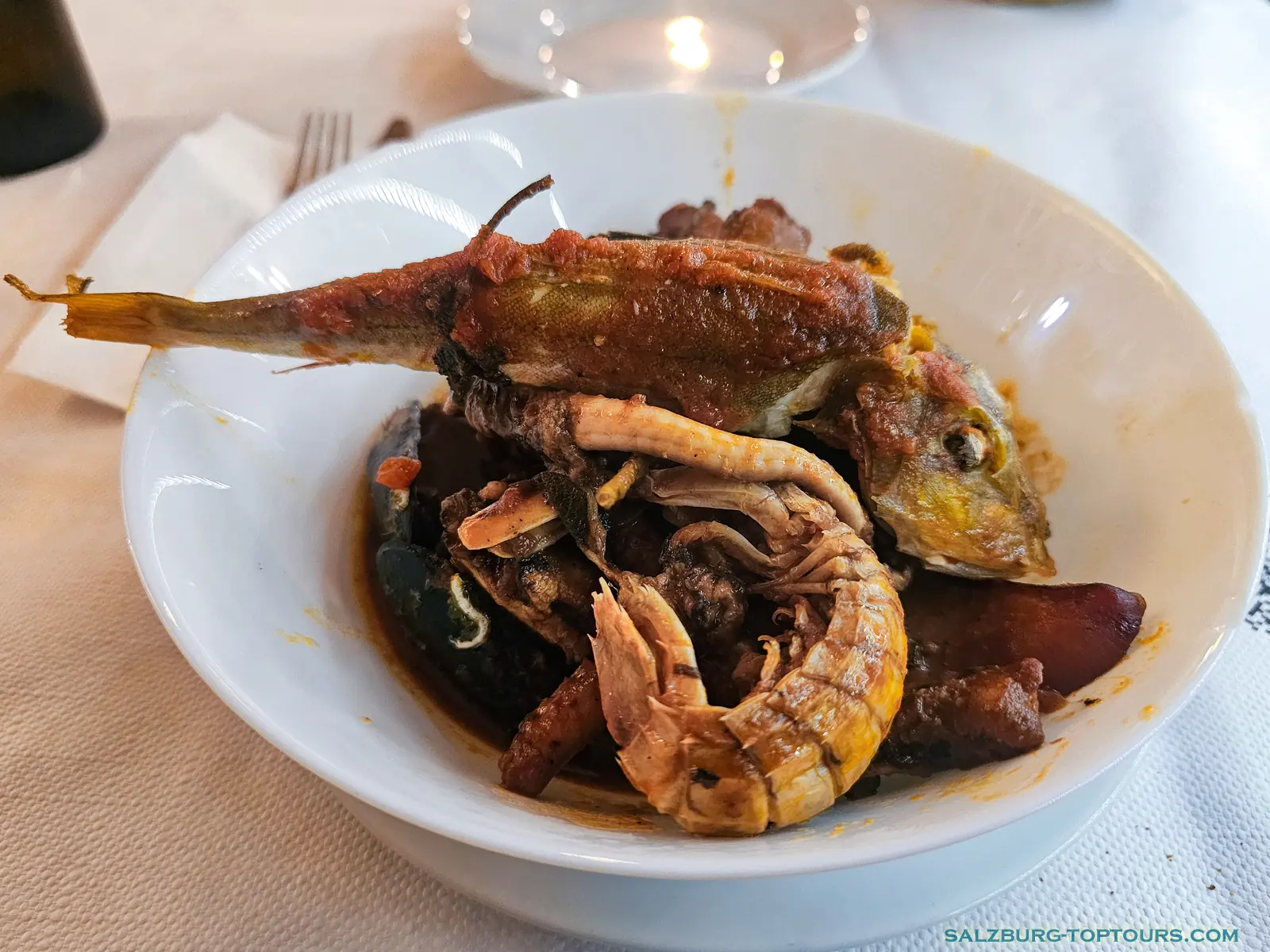
I spent one night in the port city of Livorno, where I tried the famous local dish Cacciucco — a rich, spicy seafood stew with fish, shrimp, octopus, and shellfish.
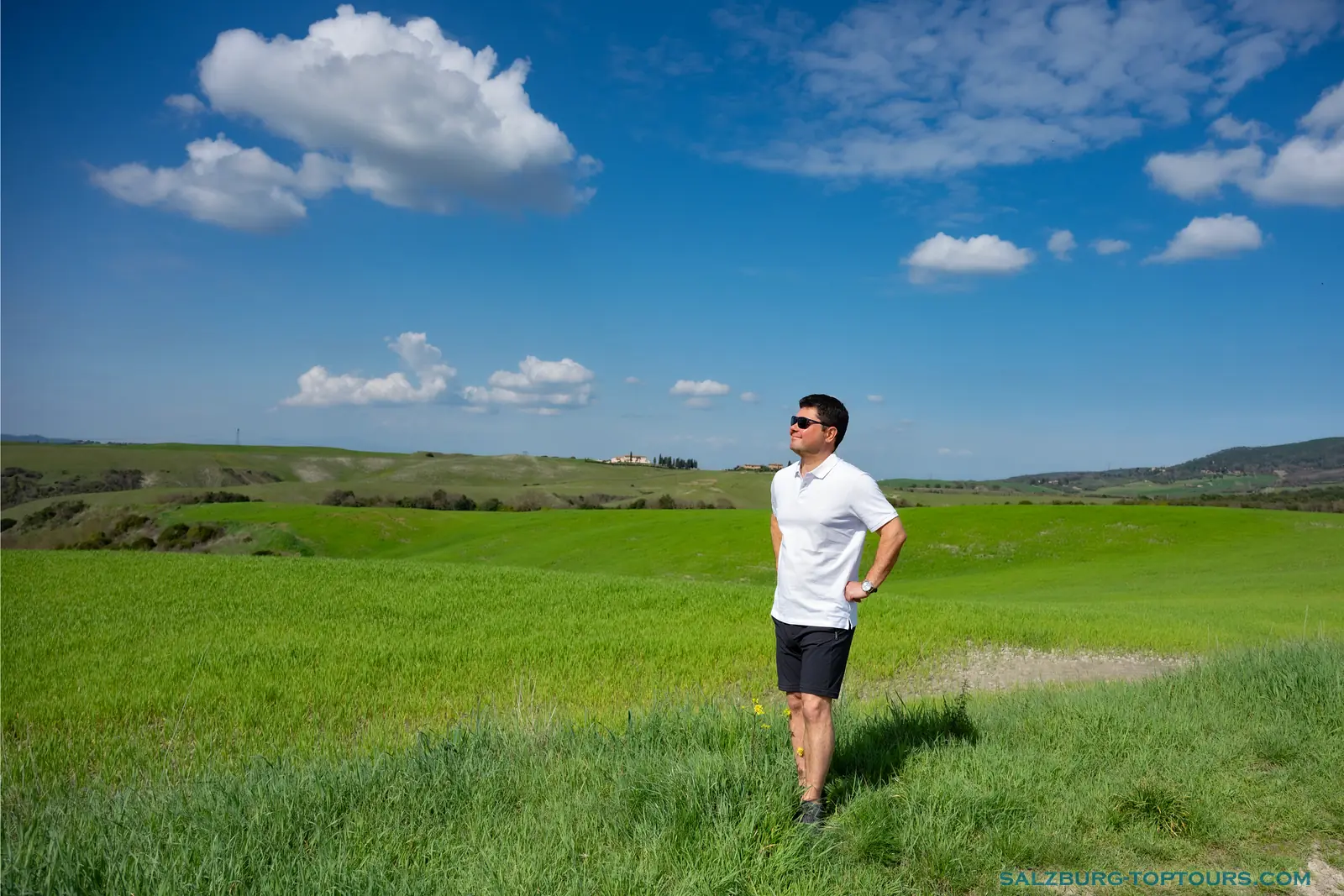
Early March turned out to be the perfect season to travel. There were no crowds, parking was easy, and last-minute hotel deals were surprisingly affordable. The weather was ideal for outdoor activities, with temperatures between +15 and +20 degrees Celsius and only a little rain on one day.
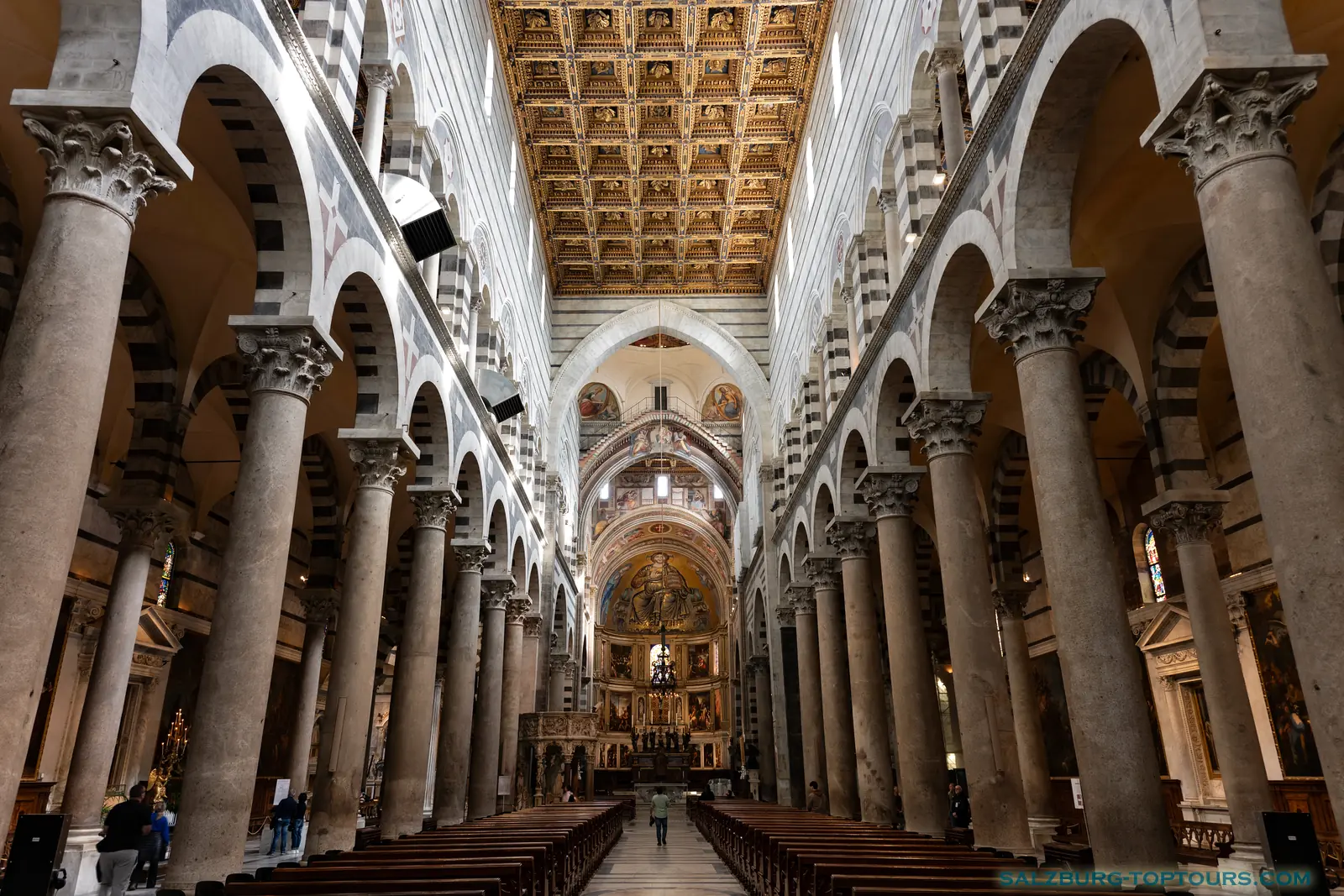
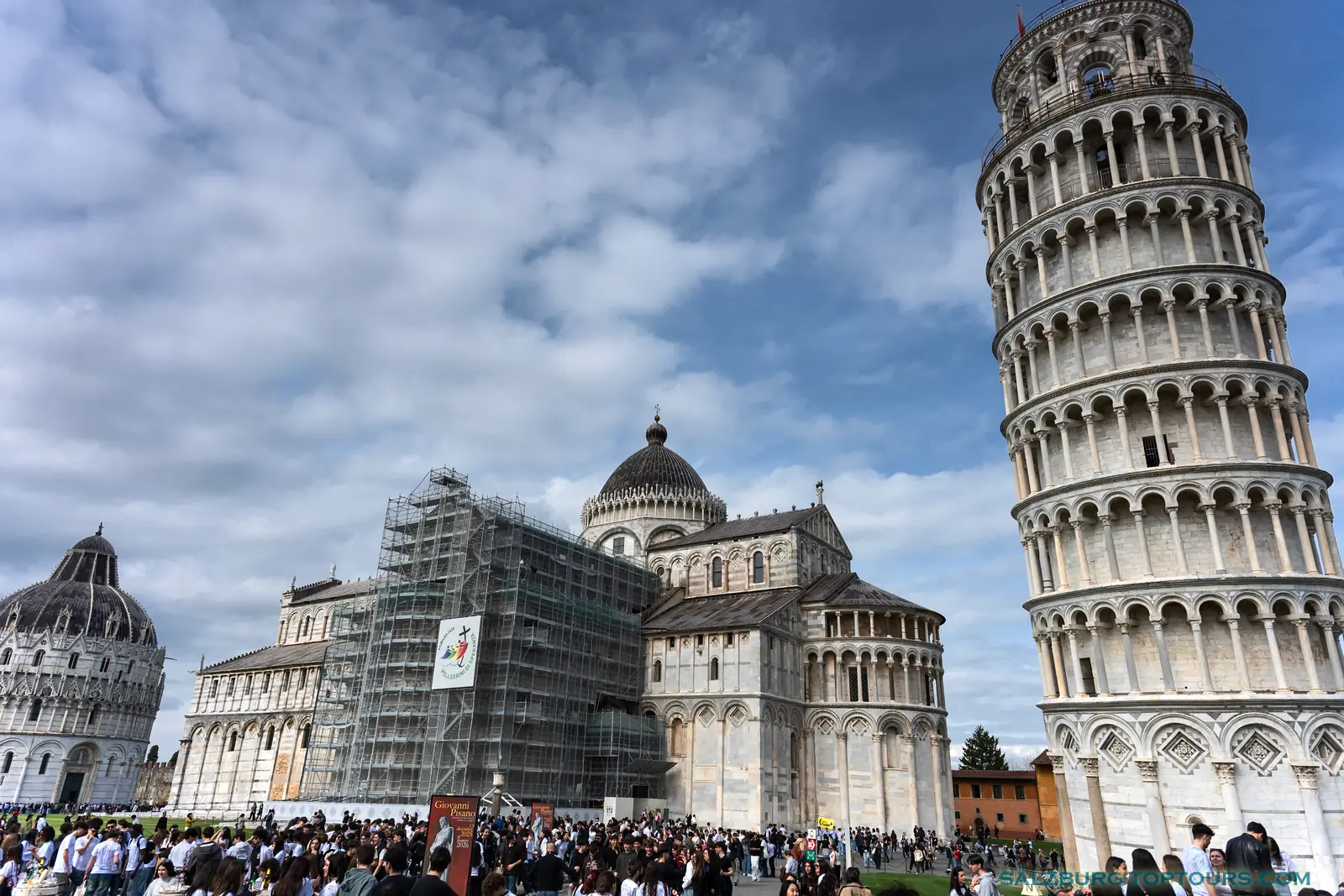
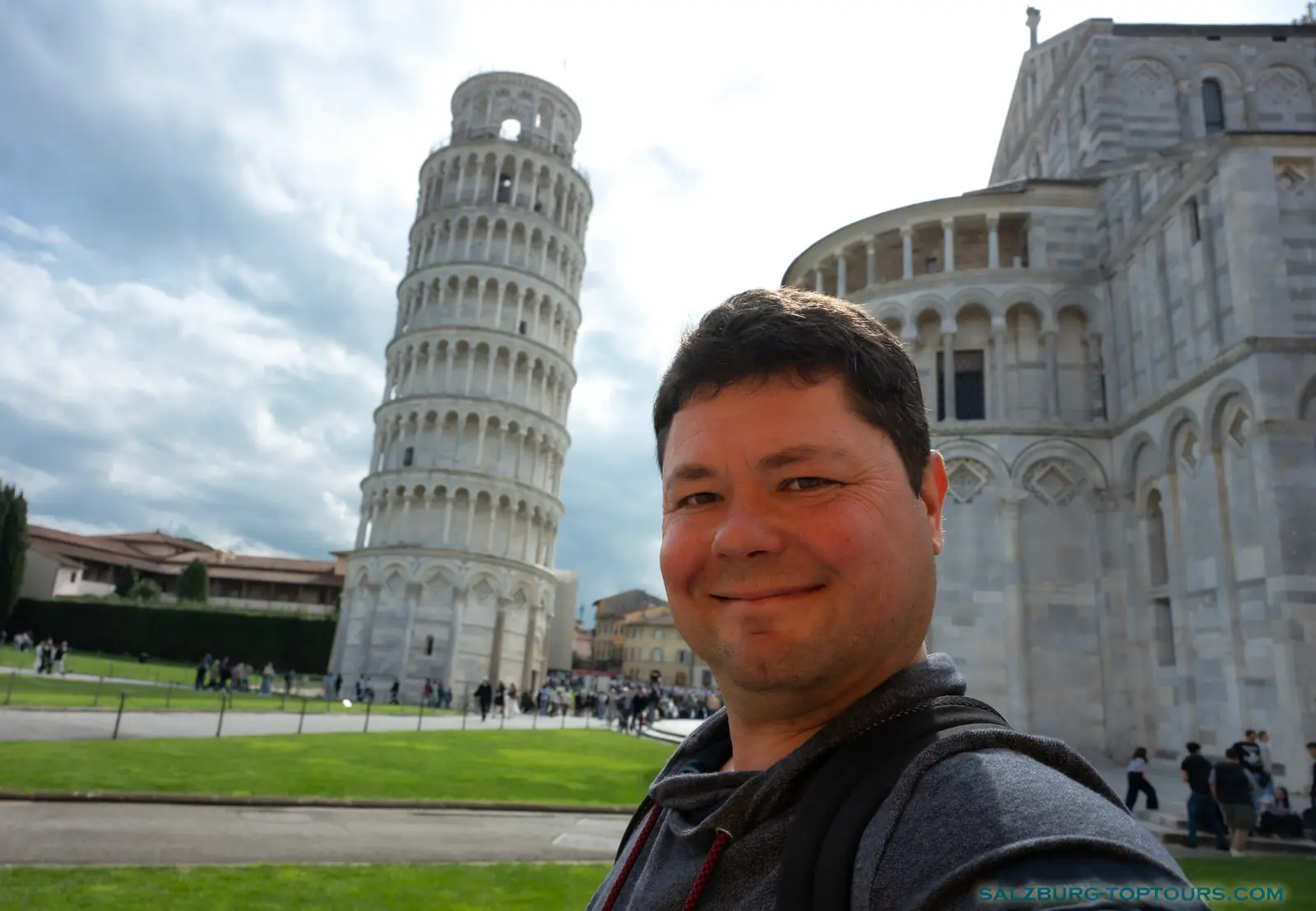
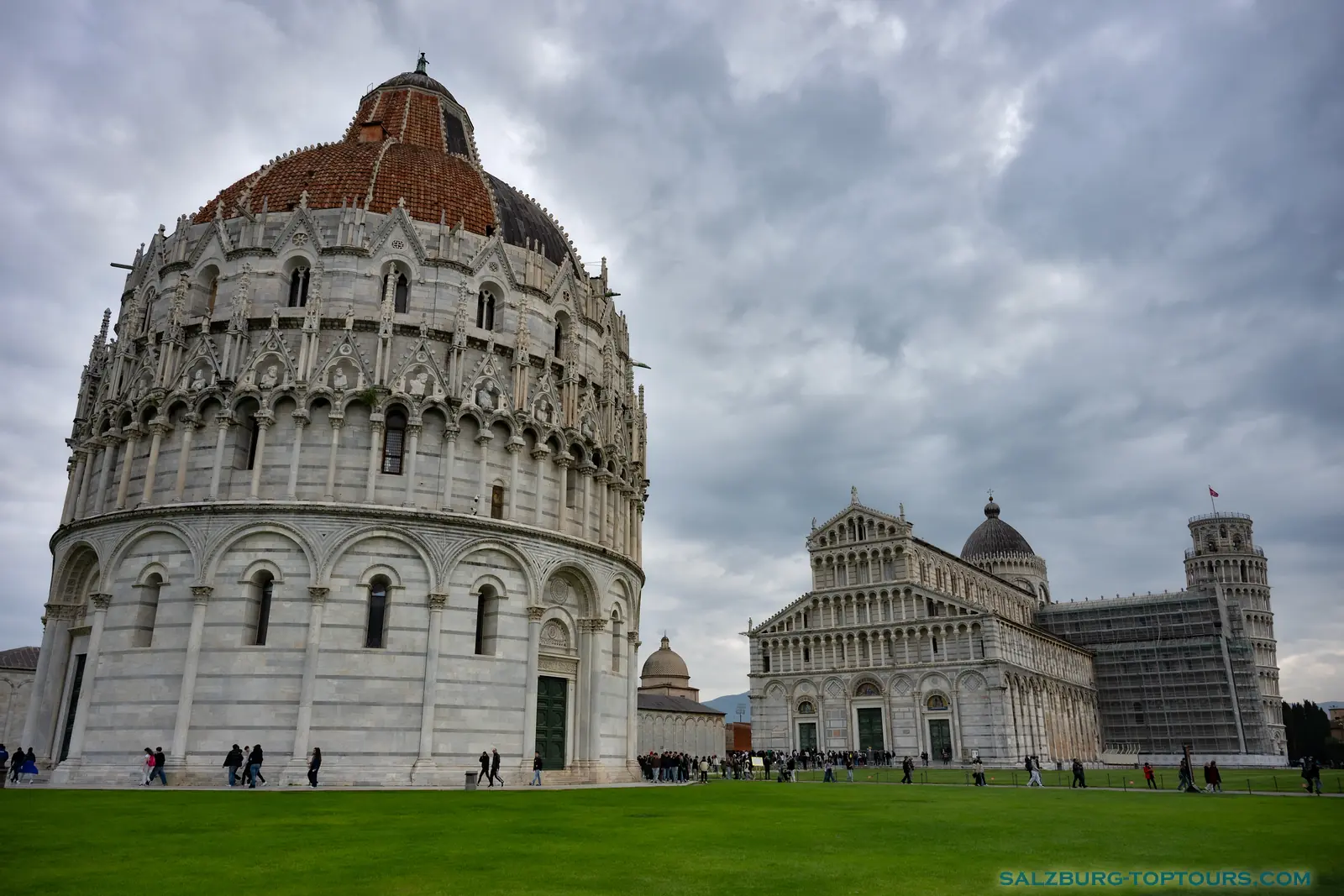
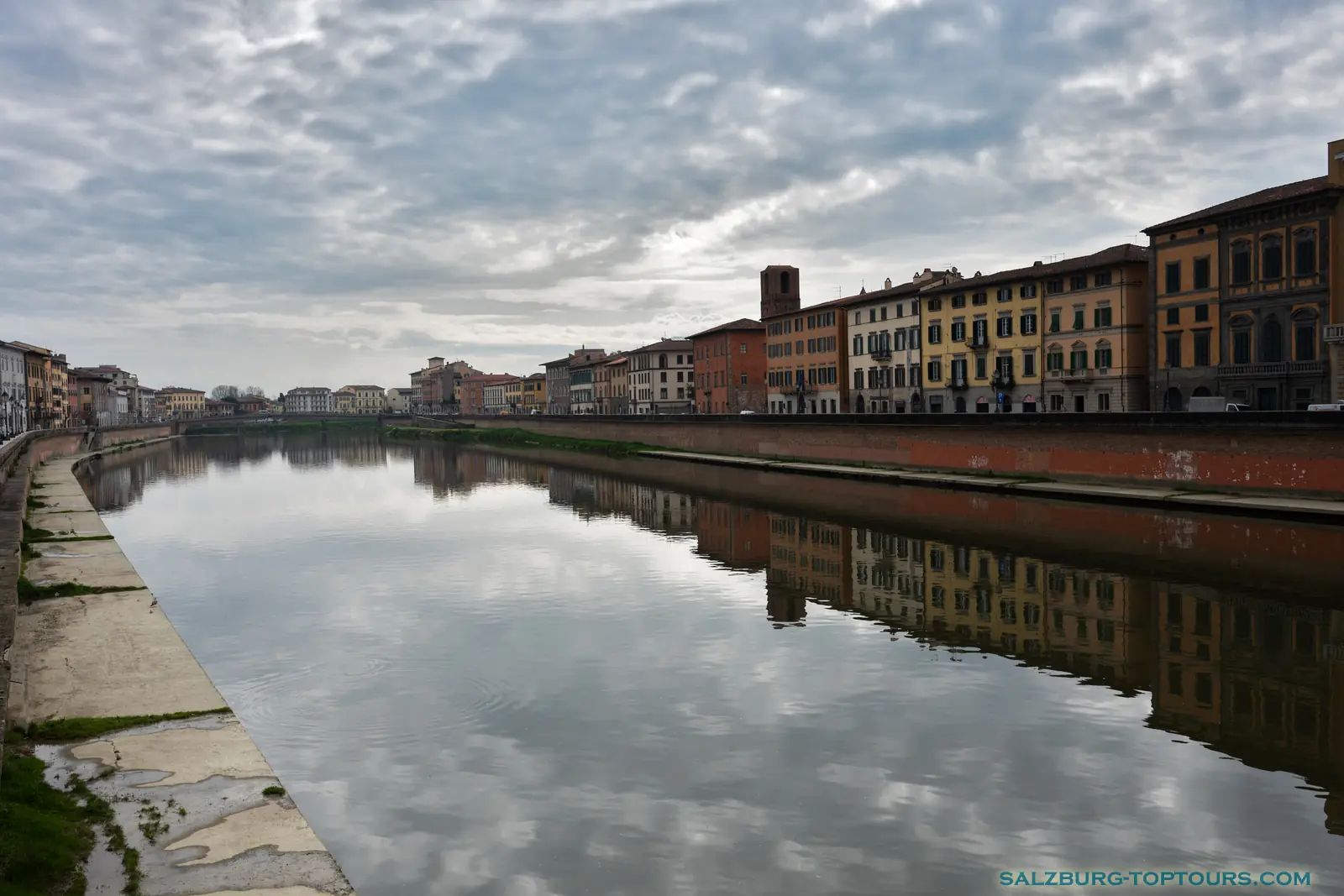
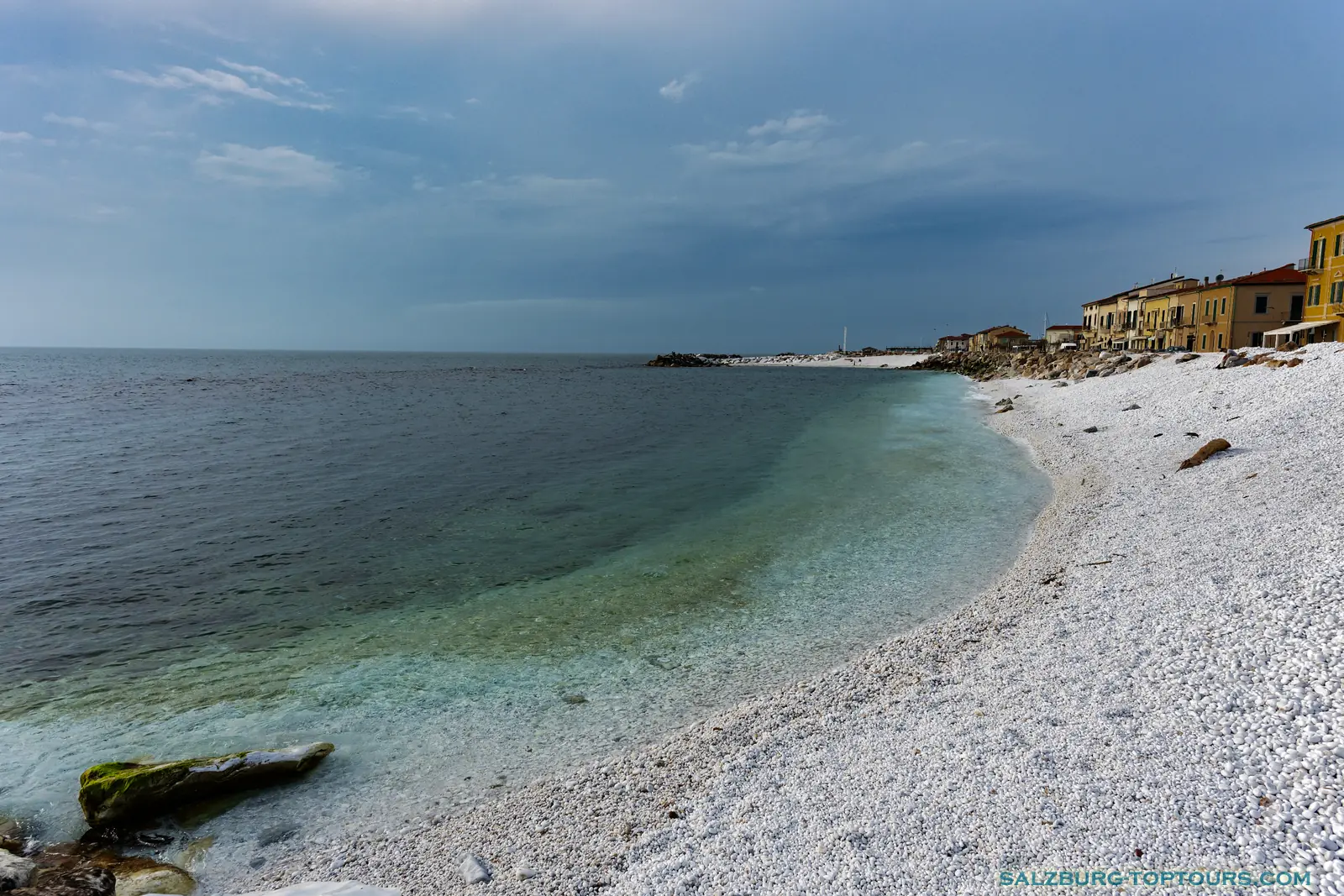
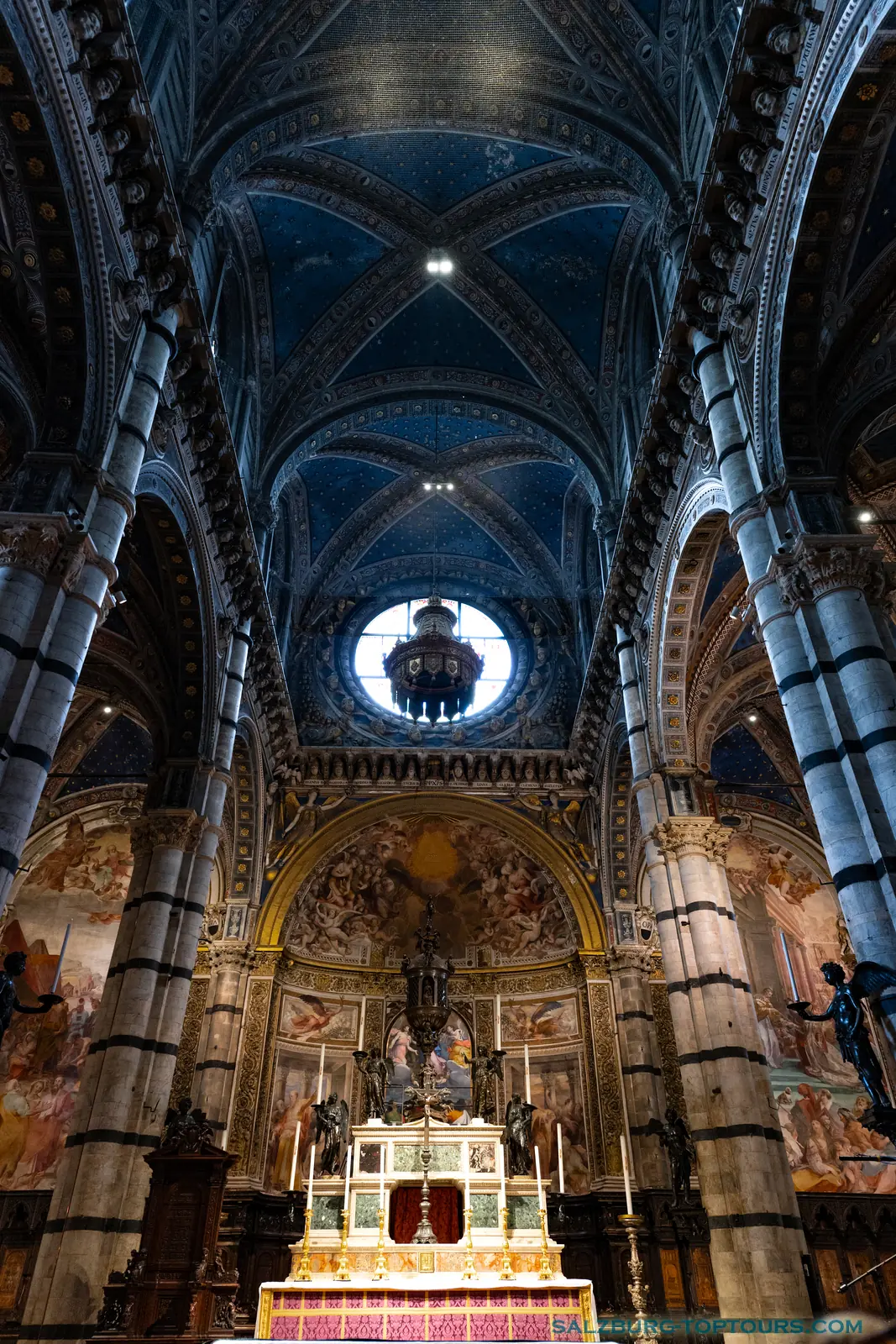
On my way back to Florence, I stopped in Pisa. I visited the beautiful cathedral with its Byzantine mosaics and explored a quieter, lesser-known part of the city after briefly seeing the Leaning Tower. The tourist crowds around the tower quickly became exhausting, so I drove toward the Port of Pisa instead, where the peaceful beach left me with far better memories.





Siena and Returning to Salzburg
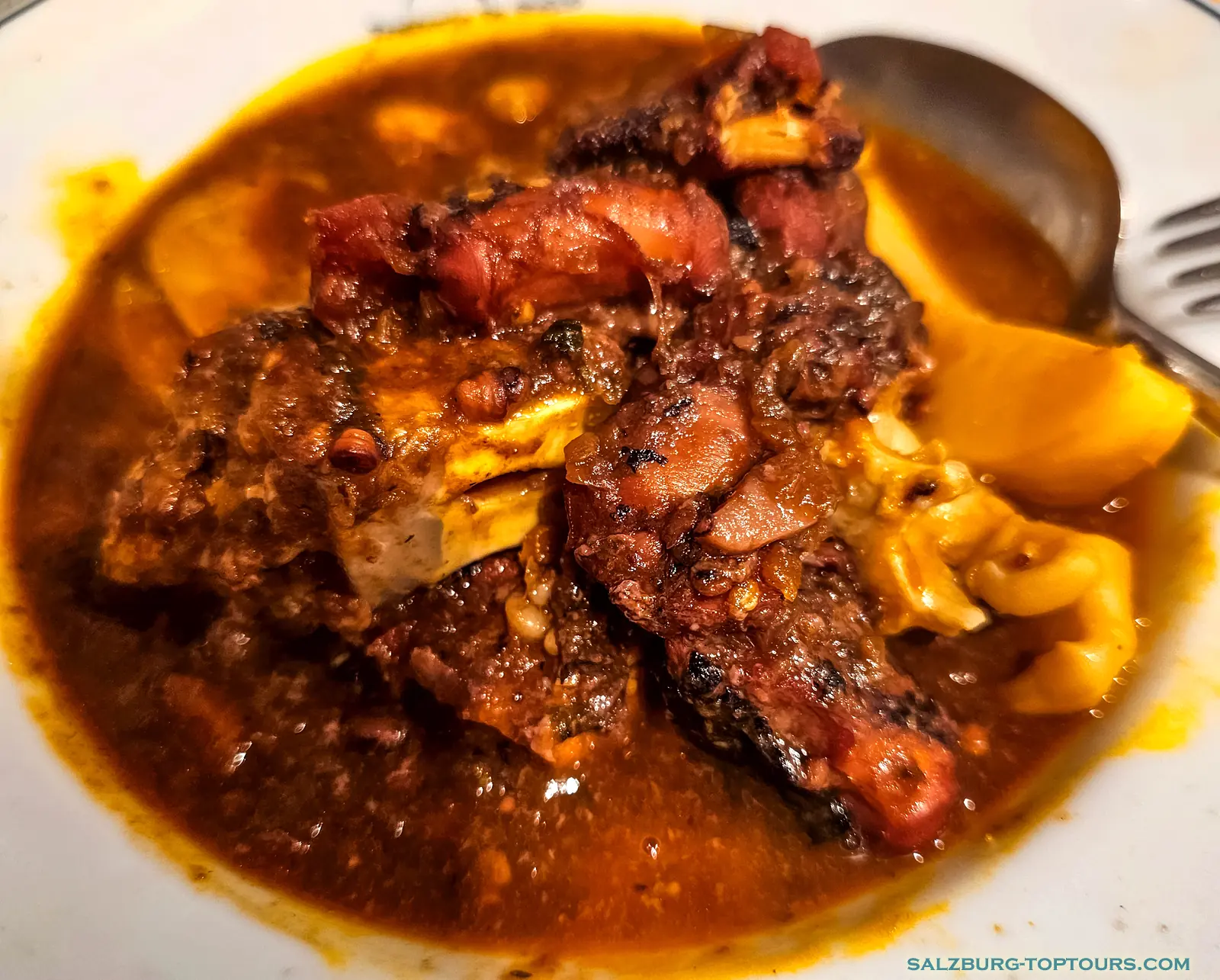
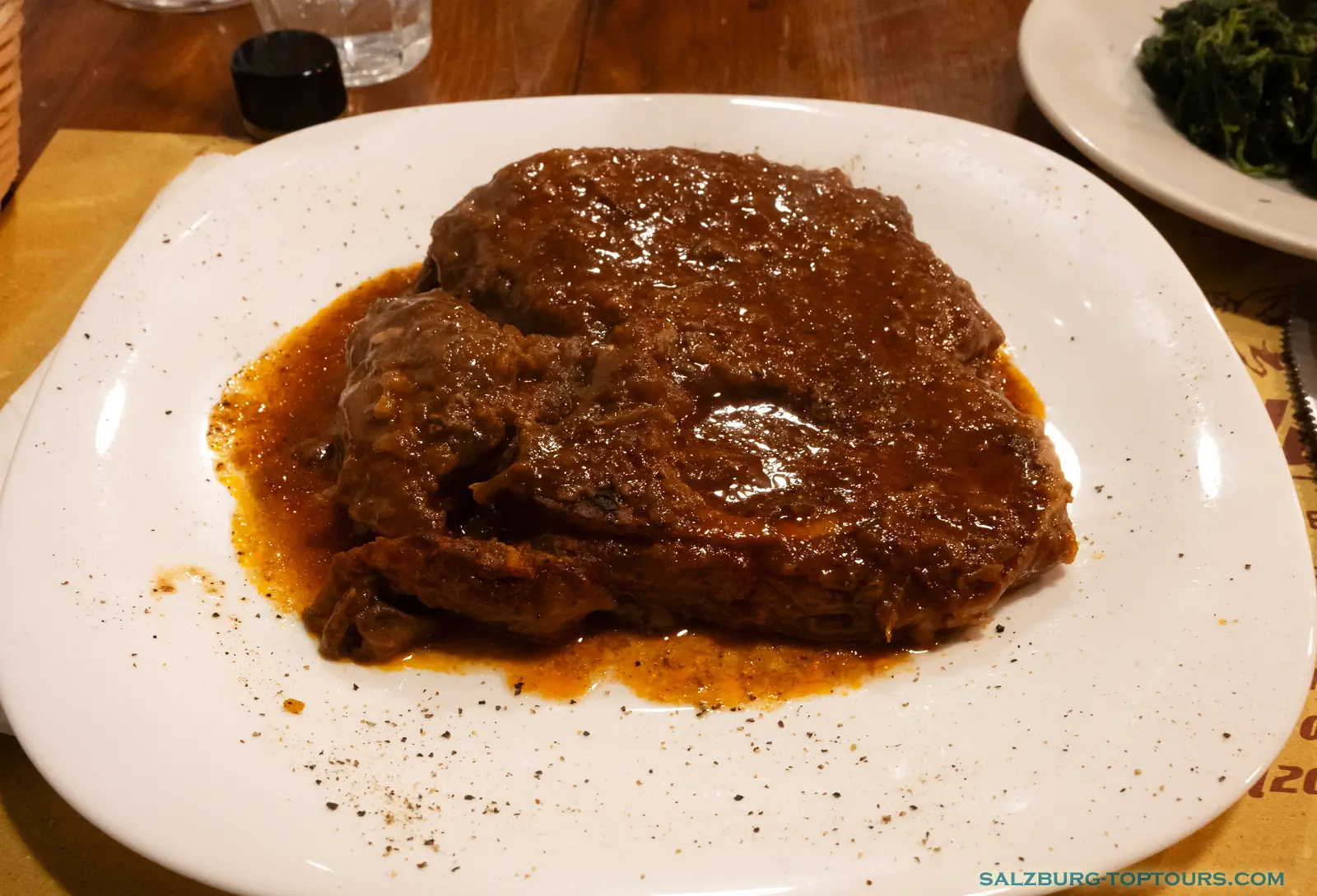
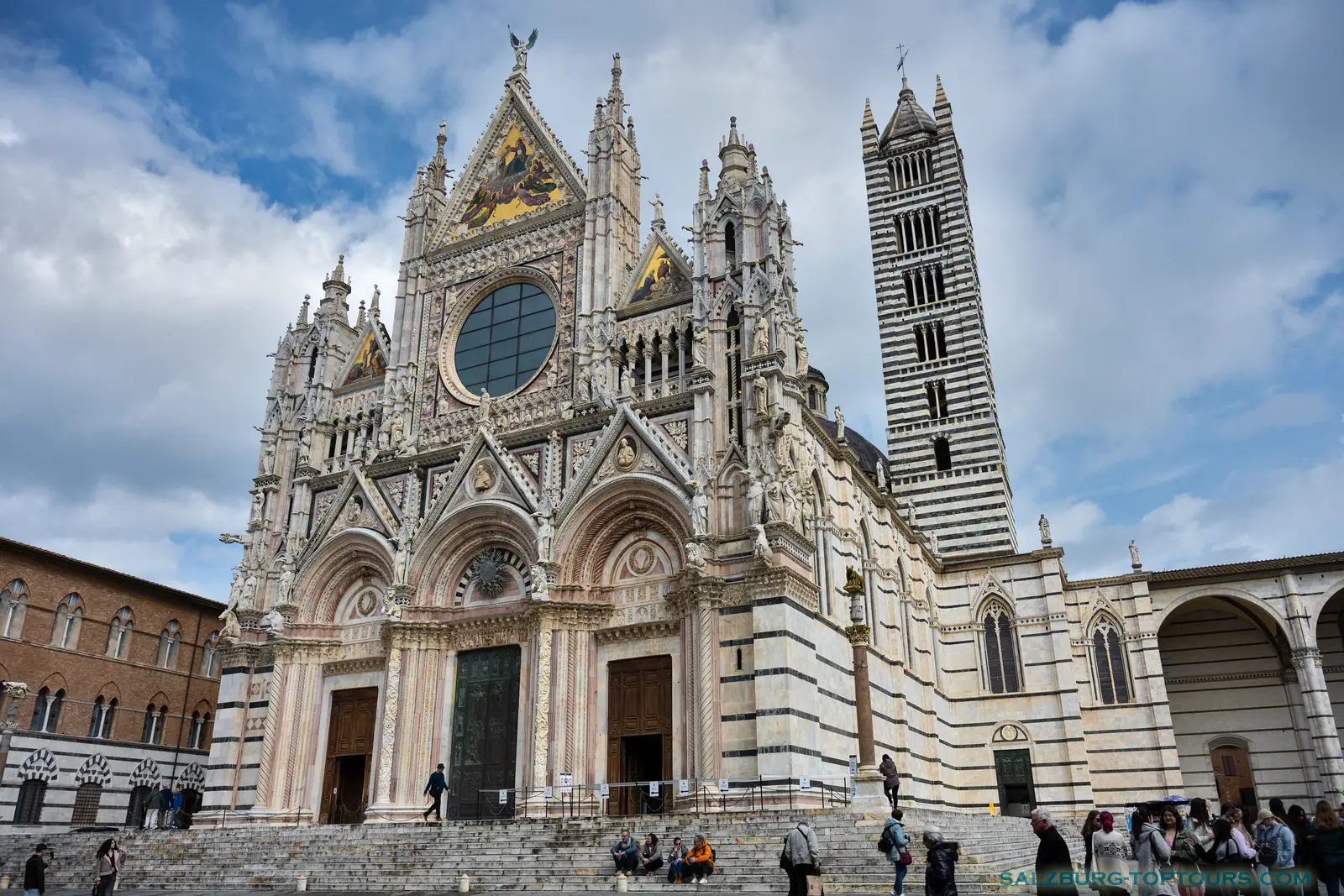
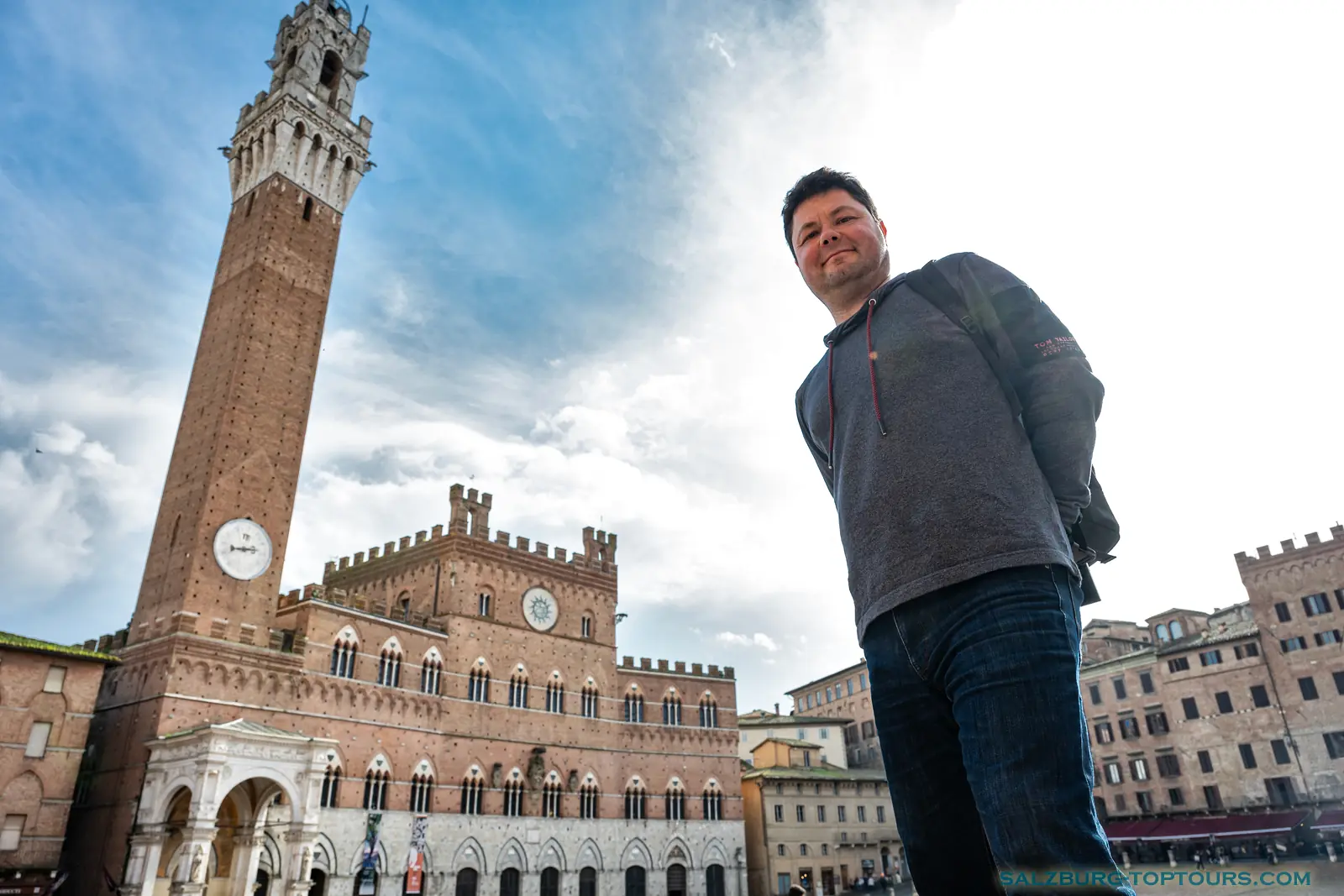
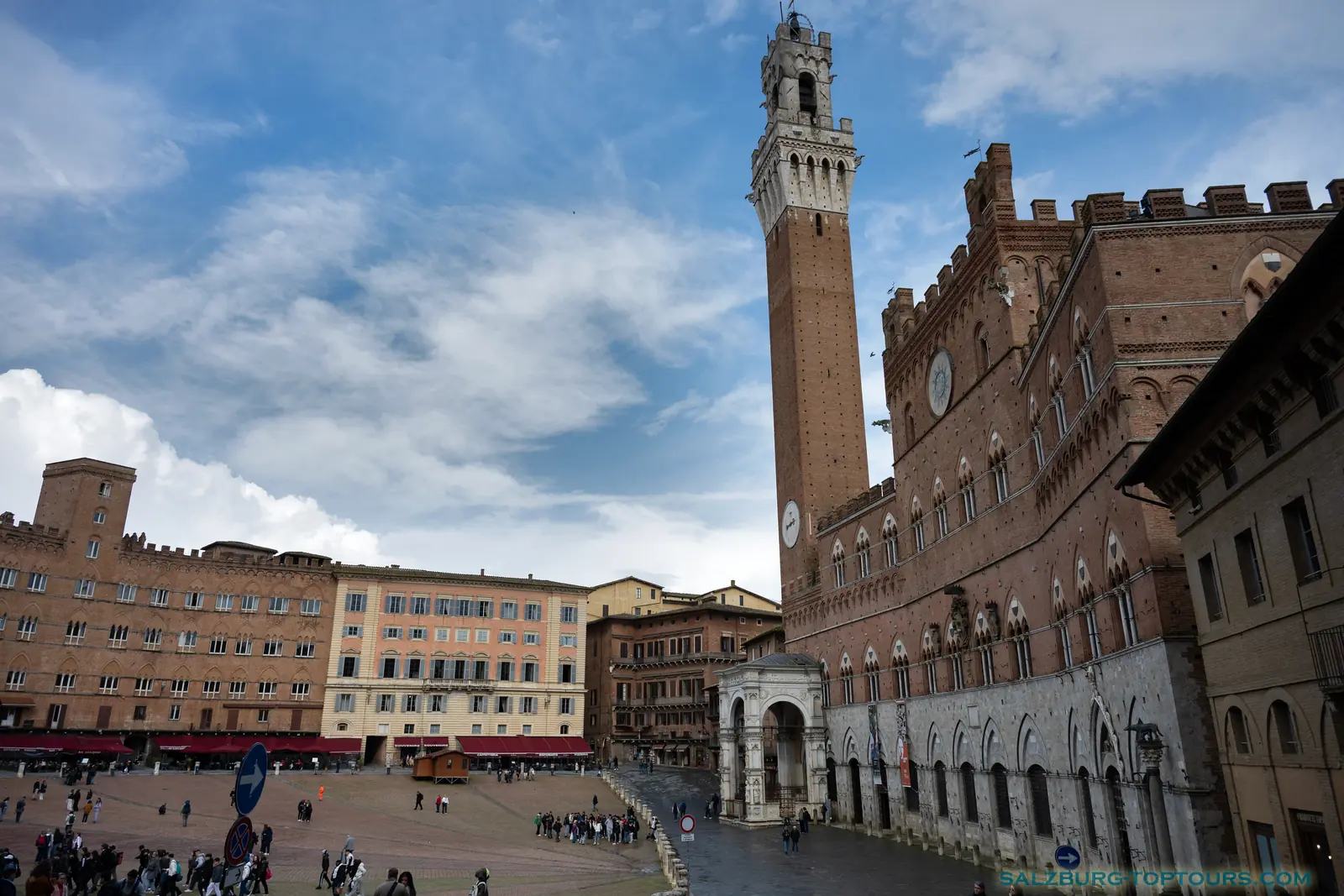
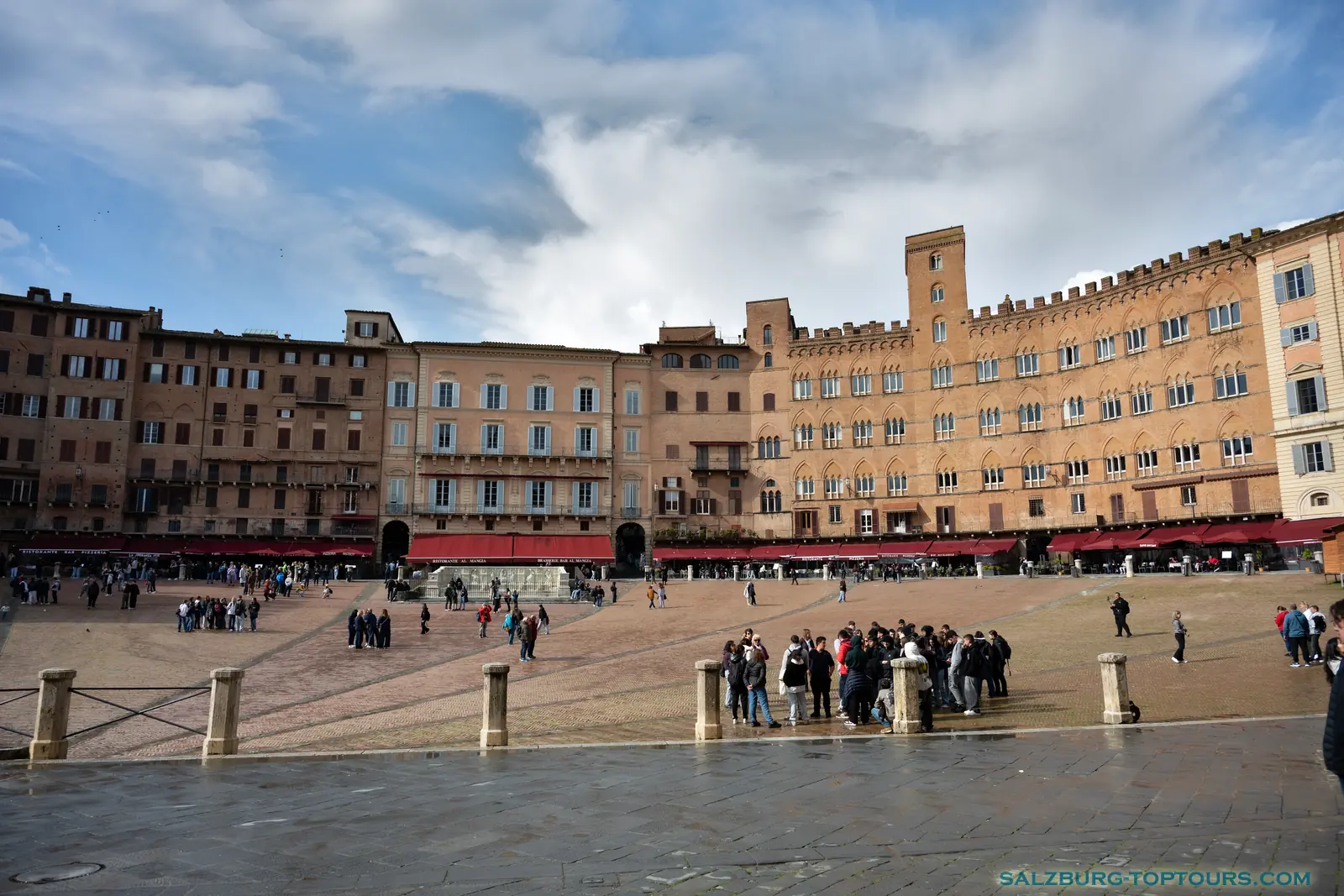
The next morning, after checking out of my apartment, I still had an entire day before my train departed at 10 p.m. So I drove to Siena — another stunning Tuscan city that once rivaled Florence in wealth and political influence. Once again, I found myself surrounded by breathtaking medieval architecture, excellent Chianti red wine, and unforgettable food, especially a delicious beef stew - Ossobuco.
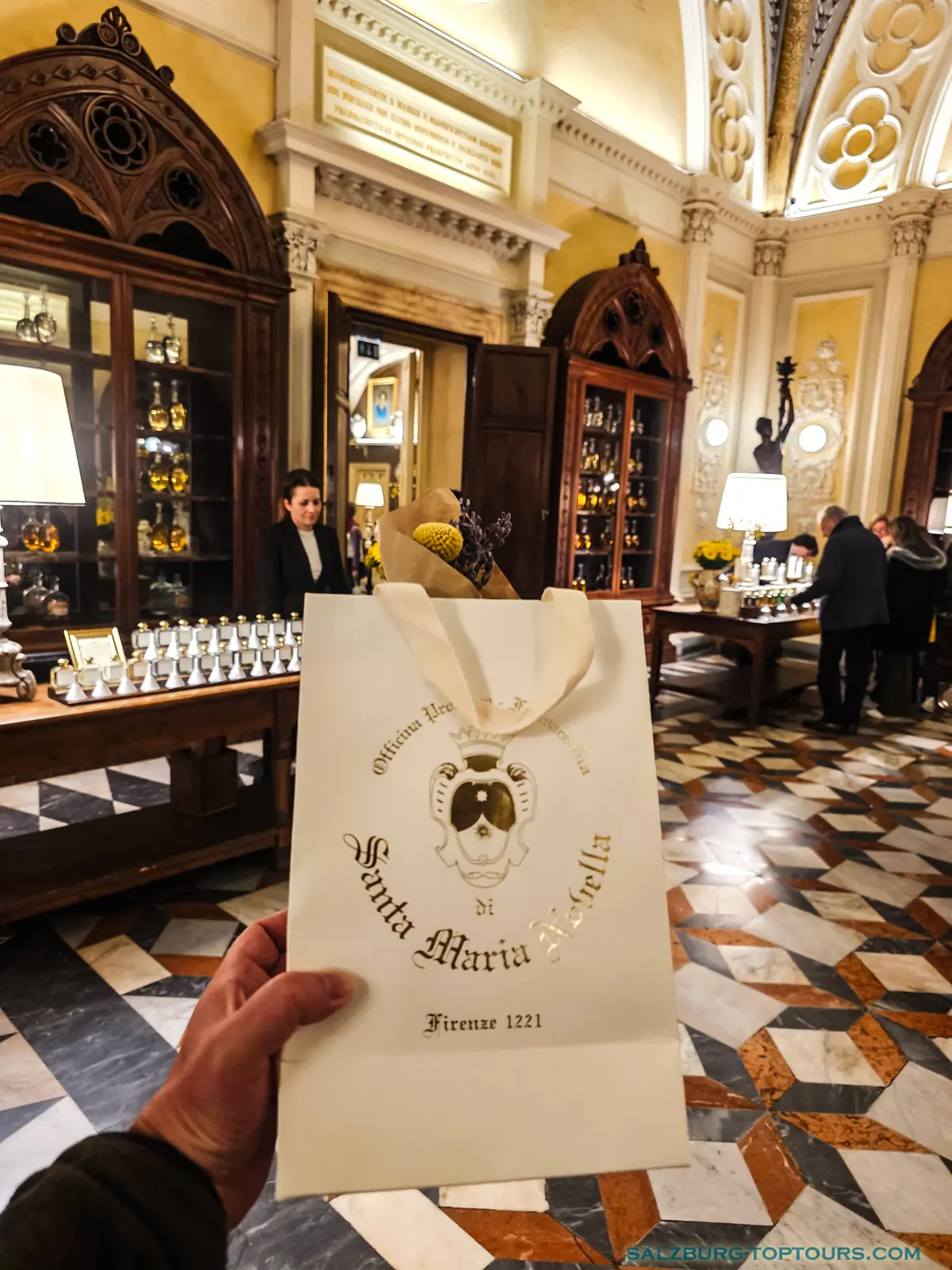
My final evening in Florence was spent wandering through the old streets, buying gifts and perfume from Tuscany’s oldest pharmacy at Santa Maria Novella.
The return journey to Salzburg was in a tiny but private sleeping compartment. I arrived at 7 a.m., and by 8 a.m, slightly tired and a little rumpled from the trip, I was already walking through the "Rome of the North", leading a group of tourists.








Explore more: