Austria Travel Tips: Everything You Should Know Before Visiting Salzburg
Planning your first trip to Austria? As a state-certified Austria Guide based in Salzburg, I answer hundreds of travel questions every year. Here are the practical tips I most often share with my guests, from choosing the best season to understanding travel distances, public transport, and local customs.
1. Which season is best for an Austria holiday?
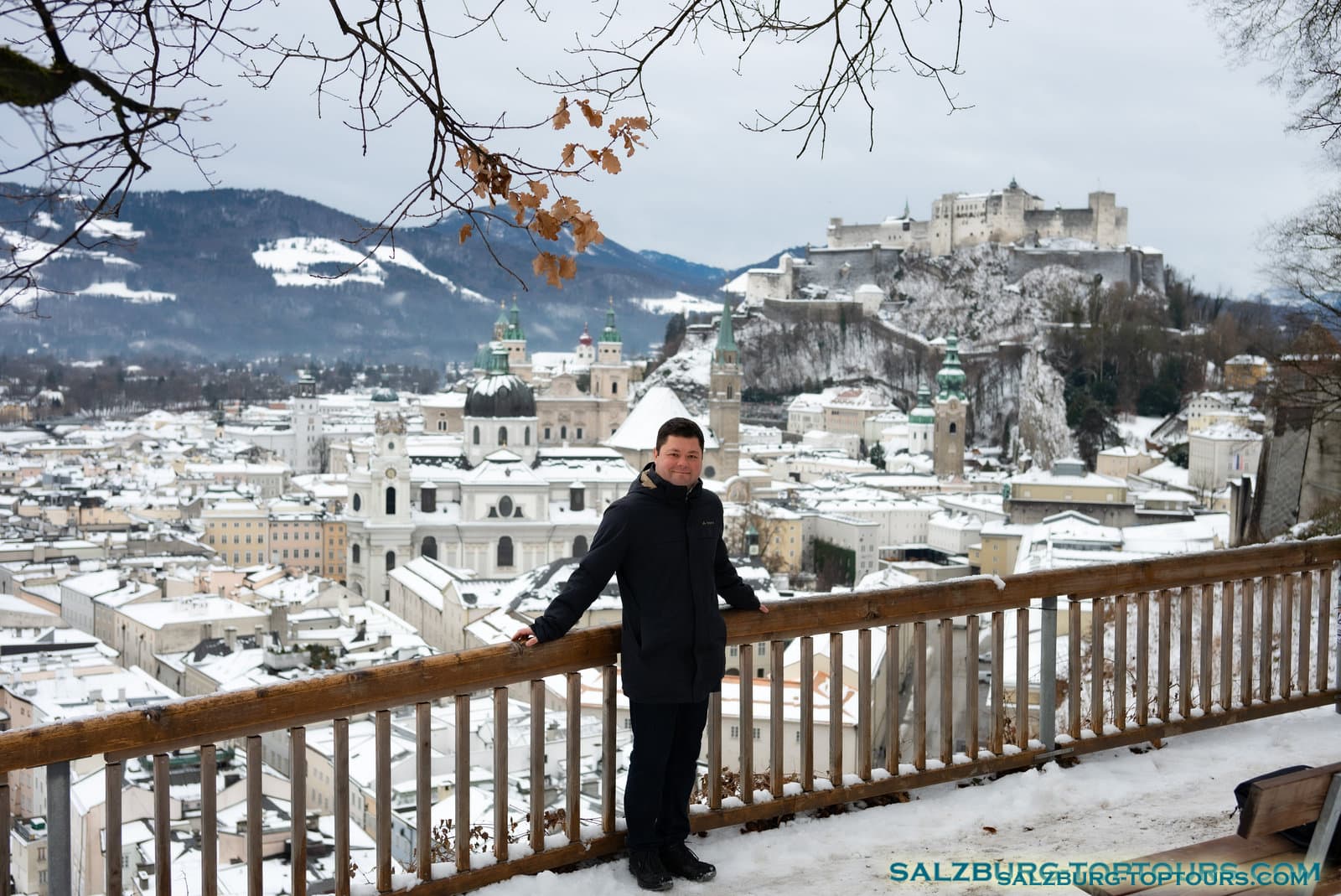
Every season offers a different experience, and not all attractions are open year-round. Choosing the right time depends on what you want to see and do.
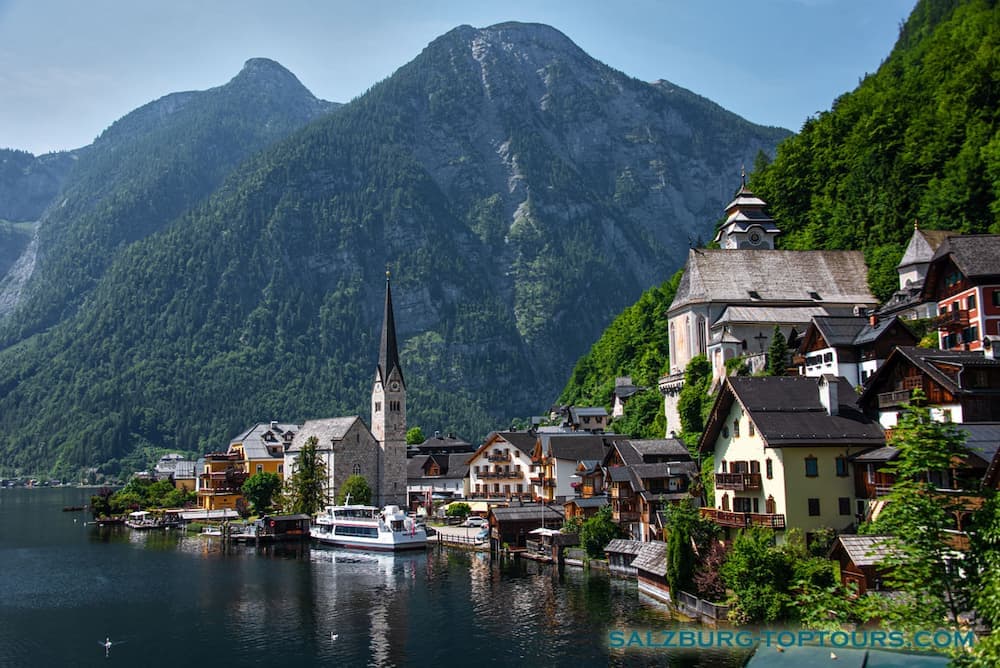
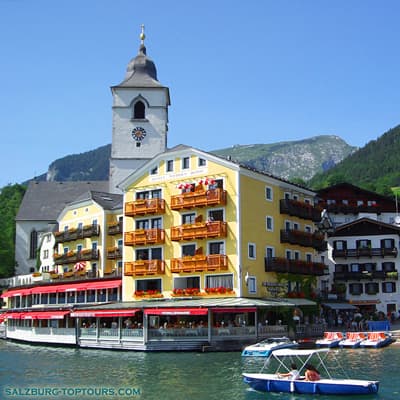
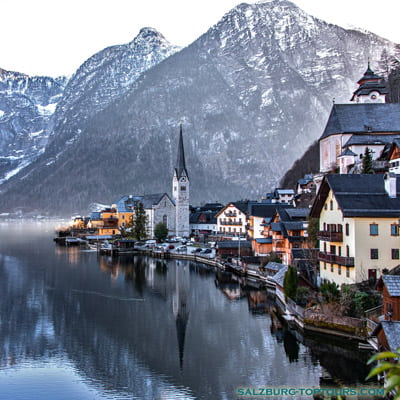
May to October is the best period for sightseeing. Attractions are fully open, days are long, and the weather is ideal for city tours, mountain excursions, and lake trips. The downside is larger crowds at popular destinations such as Hallstatt.
November to April offers Christmas markets, winter sports, and a quieter atmosphere. From March onward, you'll often enjoy pleasant weather, lower prices, and far fewer tourists, making it an excellent time to explore Austria at a relaxed pace.
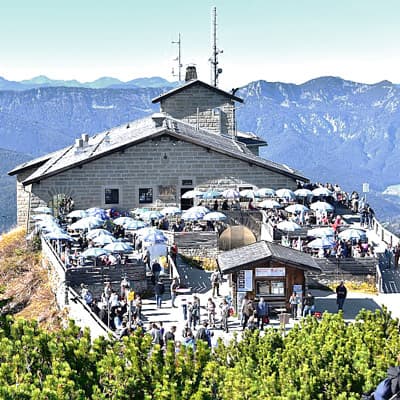
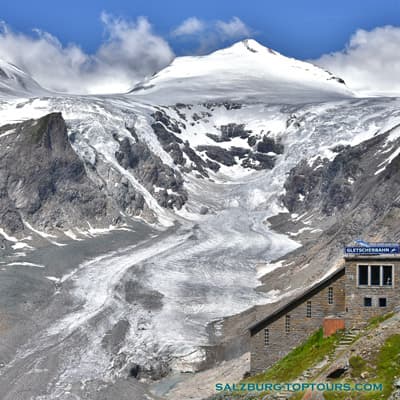
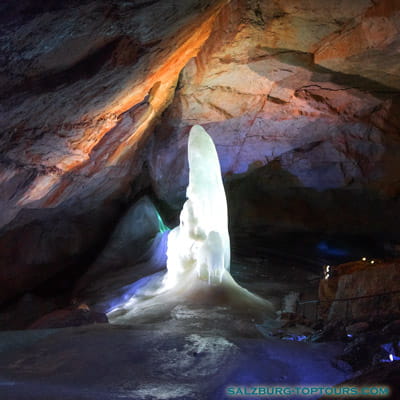
Tip: Always check seasonal opening dates before you travel. Attractions such as: The Eagle's Nest in the Bavarian Alps, The Ice Caves, Five Fingers Platform near Hallstatt, Trick Fountains in Hellbrunn, and High Alpine Road Grossglockner Hochalpenstrasse are closed during winter.
Read more: Climate and weather in Austria
2. Staying in a City or the Countryside: Which Is Better?
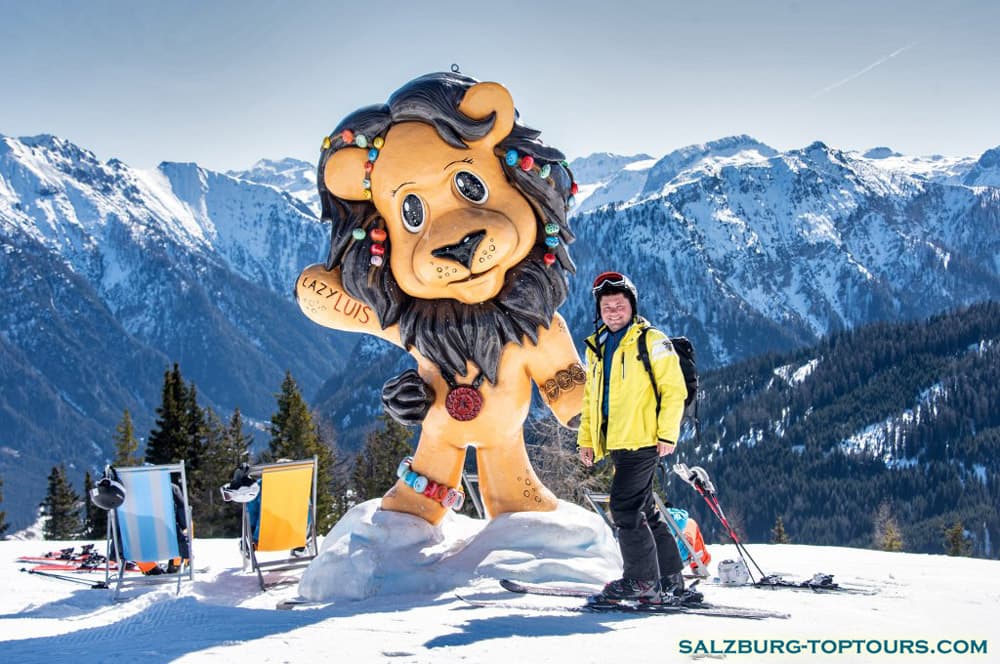
Your choice depends on how you plan to travel. If you won't be renting a car, staying in Salzburg or another larger town is the most convenient option. You'll have easy access to public transport, restaurants, and the region's main attractions.
A lakeside village or mountain chalet offers peace and beautiful scenery, but you'll spend more time traveling, and transportation costs are usually higher. Many private tours also charge extra for pickups from remote locations.
Tip: If you stay outside Salzburg, I can collect you directly from your hotel or chalet in my Mercedes-Benz V-Class, making even remote locations easy to reach.
Read more: Public transportation in Salzburg
3. How Long Does It Take to Travel Around Austria?
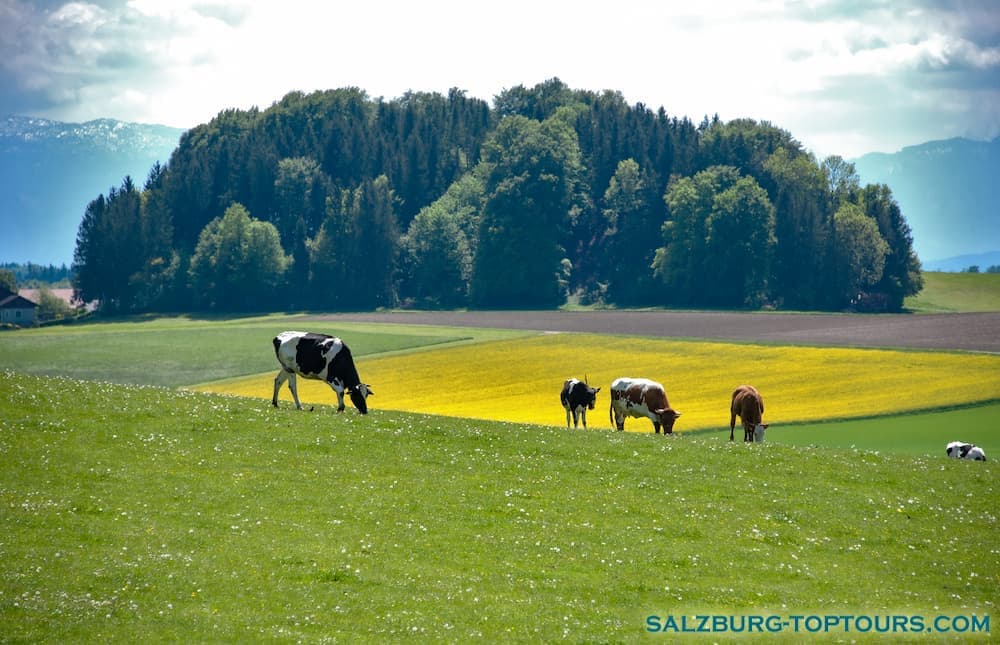
Austria may look small on the map, but mountain roads, villages, and scenic stops often make journeys longer than expected. Google Maps estimates driving time, but it doesn't account for photo stops, coffee breaks, or sightseeing.
A common question I receive is: "Can we visit Salzburg and Hallstatt in just four hours?" Unfortunately, no. The drive to Hallstatt alone takes about 1.5 hours each way, leaving almost no time to enjoy the destination.
Tip: Build extra time into your itinerary. A relaxed day is always more enjoyable than rushing from one attraction to the next.
4. How many places should I include in my Austria itinerary?
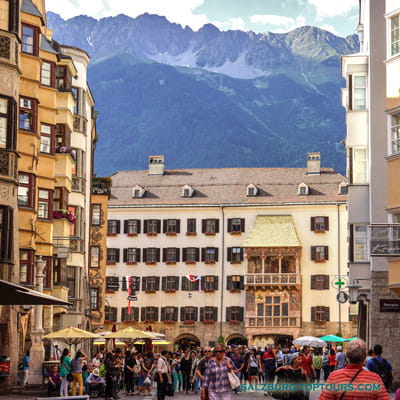
Focus on quality over quantity. Whether exploring Vienna, Salzburg, or Innsbruck, plan no more than 2–3 sights per day. Packing your schedule with distant locations leaves you exhausted, especially during peak season when queues are long. For instance, a boat trip on Lake Königssee in the Bavarian Alps requires a full day in summer due to ticket and dock wait times.
Be Realistic with Distant Sights
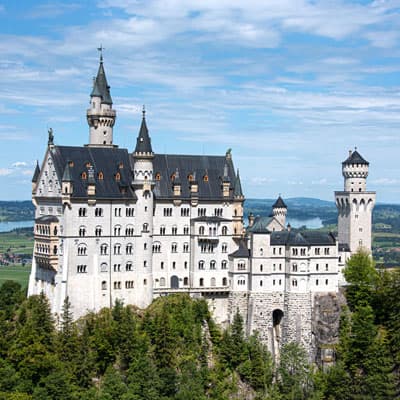
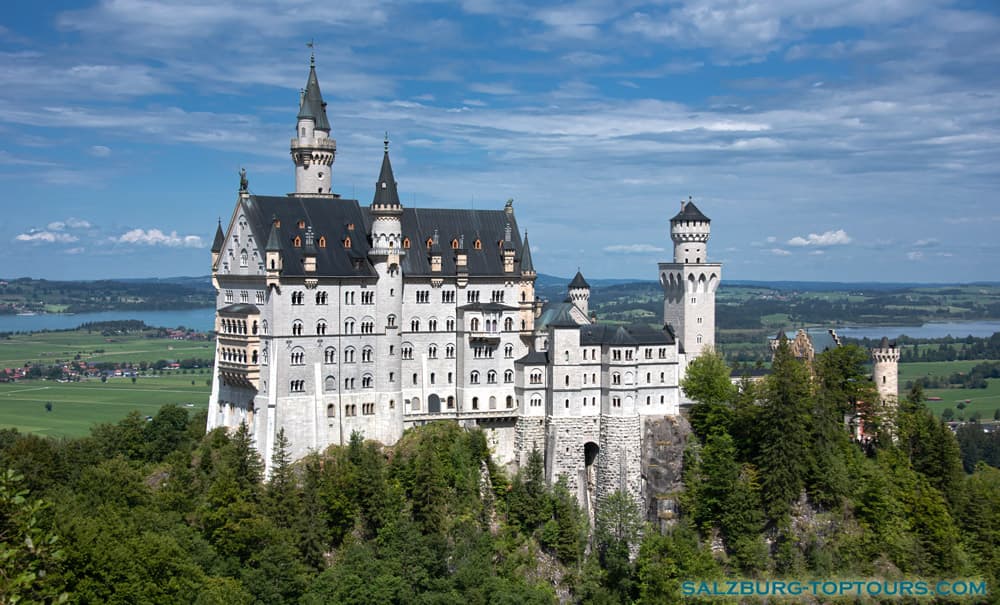
Clients often ask: "Eugene, can we do a day trip from Salzburg to Neuschwanstein Castle?" It’s possible, but it means a 3+ hour drive each way. Tickets sell out weeks in advance, and a single traffic delay will invalidate your strict entry slot.
Tip: If an attraction is several hours away, turn it into an overnight stay. For long-distance highlights, choose my Custom Multi-Day Minivan Tour of the Bavarian & Tyrolean Alps. You’ll see Neuschwanstein and Tyrolean gems without the rush.
5. What Interesting Events Take Place in Salzburg Over the Year?
Salzburg is famous for its world-class festivals and deep-rooted traditions. Adjusting your dates by just a week or two can completely transform your experience.
For instance, if you plan to visit in mid-November, consider postponing until late November when the magical Salzburg Christmas Markets open and the thrilling Krampus runs begin. If you are targeting the world-renowned Salzburg Festival (Salzburger Festspiele), booking for the second half of its 40-day summer run is a smart move. The initial premiere hype dies down, making it much easier to secure tickets in affordable categories.
Tip: Check out my Salzburg Guide BLOG to easily navigate the city's seasonal calendar, from summer opera highlights to winter alpine traditions, and plan your perfect trip.

6. Is Austria a Good Destination for Travel with Children?
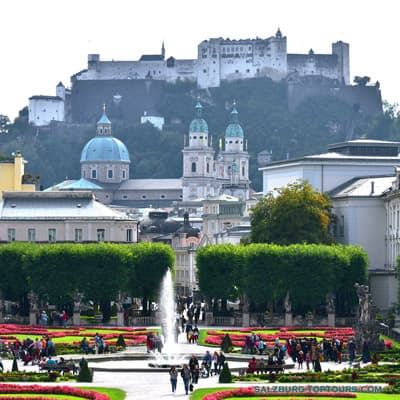
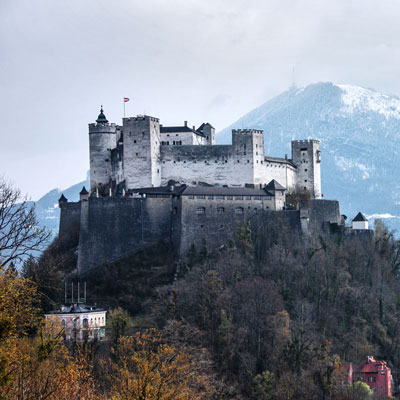
Austria, and Salzburg in particular, is a fantastic playground for families. The city offers incredible family-friendly highlights, including the Hohensalzburg Fortress, the interactive Haus der Natur, the Toys' Museum, Hellbrunn's trick fountains, and the Salzburg Zoo.
The key to a successful family trip is pacing. Avoid overloading your itinerary with constant transfers, and always check age restrictions in advance. For example, children under 5 are not allowed in the Hallstatt Salt Mines. Many alpine highlights also require serious walking: the famous Ice Caves are not recommended for kids under 10 due to the steep climb, and the "Five Fingers" viewing platform involves a 30-minute uphill hike on a gravel trail, making strollers useless.
Relaxed Family Logistics
Keep your trip stress-free with my Family-Friendly Private Tours. These itineraries are fully flexible and tailored to your pace. I provide comfortable child seats in my minivan and choose engaging, stroller-accessible routes that keep both kids and parents happy.
7. Can Children Sit on a Parent's Lap If the Vehicle is Full?
No, absolutely not. Under Austrian law, every passenger must have their own seat. All children must be properly secured in an approved car seat appropriate for their age, height, and weight. Safety is never compromised.
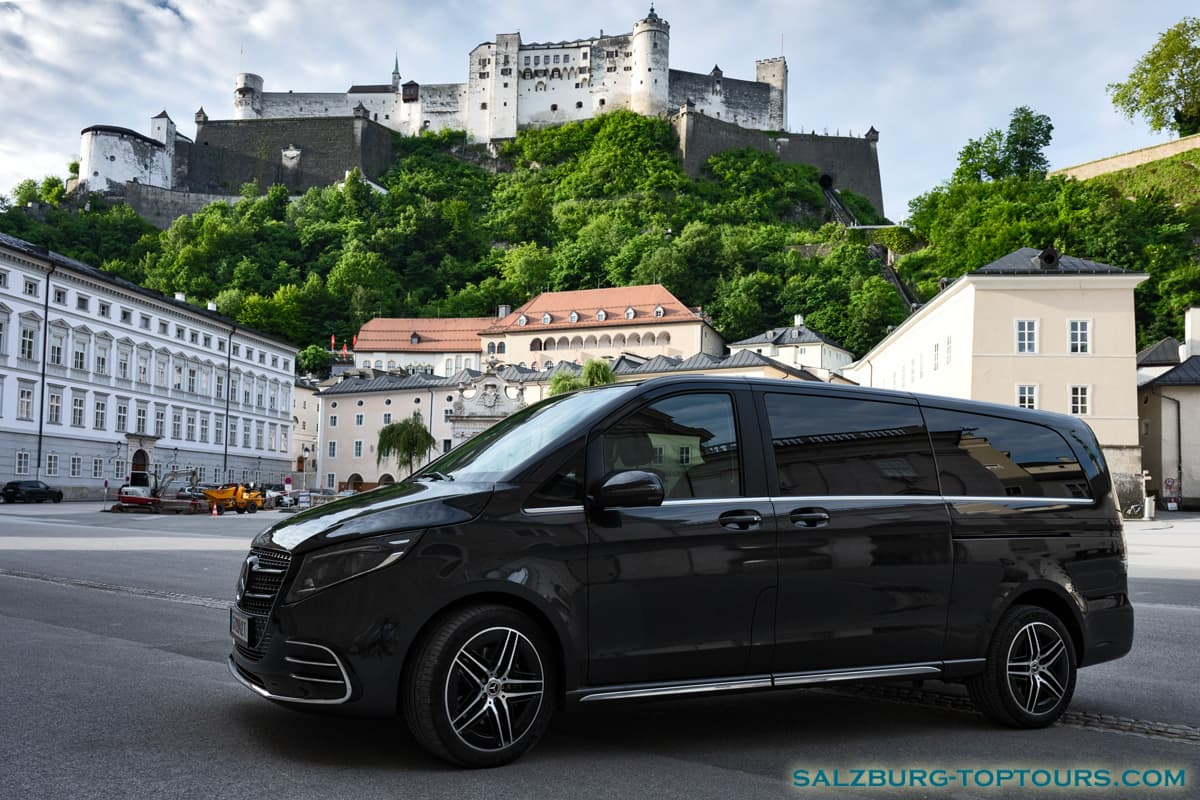
My Mercedes V-Class minivan is fully equipped with infant and toddler safety seats and boosters. When booking a private transfer or tour, just let me know your children's ages, and I will have the correct seats installed and ready for your journey.
8. How Can I Find a Certified Guide in Austria?
Austria Guide is a strictly regulated profession. Official guides must pass rigorous state examinations and are certified by the Austrian Chamber of Commerce. Use the official platform for searching for a state-certified Austria Guide https://findaguide.at
To get the best quality, always book a local expert based in your destination city rather than using large corporate booking platforms. For example, if you need an airport pickup and city tour in Vienna, hire a Vienna-based guide.
I often get the following request: Eugene, could you pick us up at the Vienna Airport, give us a tour of Vienna, and drop us off at our hotel? Since I live in Salzburg and operate my business there, traveling to Vienna solely for an airport transfer is impractical and costly.
Smart Intercity Travel
However, if you are traveling from Vienna to Salzburg, a transfer with sightseeing is the perfect choice. Instead of a boring train ride or a direct drive on the highway, turn your transit into an informative travel experience with me.
I offer a Sightseeing Transfer from Vienna or Munich to Salzburg in a comfortable Mercedes-Benz V-Class minivan. We can take a detour from the highway to explore spectacular highlights along the way, such as Melk Abbey or the stunning Salzkammergut Lake District.
Explore more: Sightseeing transfer from Salzburg to Vienna, and Sightseeing transfer from Salzburg to Munich
9. What is the Best Way to Get to Salzburg?
Salzburg is easily accessible by air, with flights from major cities such as Frankfurt, London, Palma, Istanbul, and Amsterdam. If you're flying into Vienna Airport (320 kilometers / 200 miles away) or Munich Airport (180 kilometers / 100 miles away), these are convenient hubs for travelers heading to Salzburg. For those traveling by train, rail travel is the most common and comfortable option. There is a direct train from Vienna Airport to Salzburg every hour, with the journey taking about three hours. If you're looking for an affordable option, I recommend taking Flixbus, which offers budget-friendly connections between cities and countries, including Salzburg.
10. How Can I Save Money When Visiting Museums in Austria and Germany?
The smartest way to cut costs is by using regional tourist cards, which offer free or discounted entry to museums, sights, and public transit.
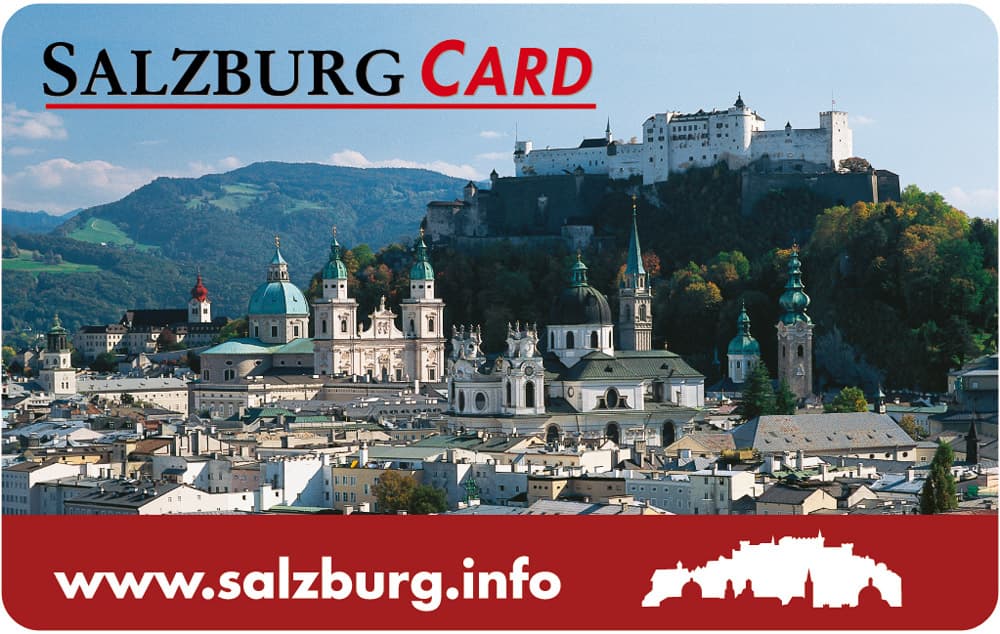
In Salzburg, the Salzburg Card pays for itself almost instantly. For example, a round-trip ride on the Untersberg cable car costs €35. A 24-hour Salzburg Card costs €38 and covers the cable car, unlimited city bus travel, and admission to all major museums. Similar excellent value can be found nearby with the Berchtesgaden Guest Card (Gästekarte) in Bavaria and the Salzkammergut Card in the Lake District.
Tip: Before buying any tourist card during the off-season, double-check which attractions are open. Some regional sites close in the winter season or for maintenance in late autumn or early spring.
Maximize Your Day in Salzburg
I recommend buying a Salzburg Card for my Salzburg Complete City Tour, which includes several museums.
11. What Are the Best Places to Visit on Your Own in Salzburg?
After taking an informative city tour of Salzburg, there are plenty of wonderful places to explore on your own. Here’s what I would recommend:
- Hangar-7: Visit Red Bull's airplane and Formula-1 exhibition.
- Hike the town hills: Explore the stunning views from Kapuzinerberg and Mönchsberg.
- Lunch and Beer at Augustiner Bräu Stübl: Enjoy a local beer and hearty Austrian meal at this cozy brewery (opens at 3 p.m.).
- Untersberg Mountain: Take a hike or ride the cable car to this beautiful mountain, offering breathtaking views.
- Gut Aiderbichl Animal Ranch: Visit this sanctuary for rescued animals for a peaceful and heartwarming experience.
- Live Music at Shamrock Irish Pub: If you enjoy music, stop by the Shamrock Pub for live performances (from 9:30 p.m.).
- Mozart Dinner Concert: For classical music lovers, this event offers a delightful evening of dinner and live classical music.
These activities offer a great mix of Salzburg's natural beauty, culture, and local charm!
12. What is Austria's Official Currency and Can You Pay in US Dollars?
The official currency of Austria is the Euro (€). It is impossible to pay in US Dollars, and foreign currency is not accepted at local shops or restaurants.
While credit cards (Visa and Mastercard) are widely accepted across most museums, hotels, and cafes, Austria remains a cash-friendly country. Some traditional and smaller establishments do not have card terminals. For instance, the famous Augustiner Bräu beer hall in Salzburg operates strictly on a cash-only basis. Many independent local guides also cannot process card payments on the spot. It is always wise to keep a small amount of cash on hand for traditional venues, public transport tickets, or small market stalls.
13. Are there currency exchange offices in Austria?
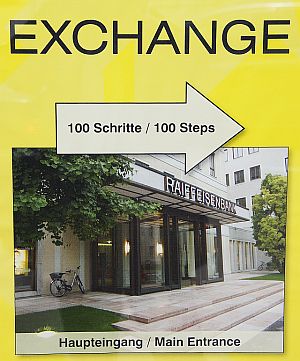
Austria does not have traditional currency exchange offices. Most currency exchange is handled by banks, and some may only serve their own customers. Large central bank branches usually exchange major currencies such as US dollars.
For most travelers, using a bank ATM to withdraw euros is the easiest option. Avoid independent ATMs, as they may charge higher fees. Banks are generally open only on weekdays and often close for a midday break.
14. What Is the Official Language Spoken in Austria?
German is the official language of Austria, spoken with distinct regional accents. However, most Austrians understand and speak English at a basic level, so communication is rarely an issue during your travels.
Learning a few local words is a wonderful way to show politeness and connect with the culture. Here are the most essential Austrian-German phrases for your trip:
- Standard Greetings: Grüß Gott (formal), Servus (informal), or simply Hallo.
- Thank you: Danke or Danke schön.
- Please / You're welcome: Bitte or Bitte schön.
- Goodbye: Auf Wiedersehen (formal) or Ciao / Tschüss (informal).
- Ordering Coffee: "Ich hätte gerne einen Verlängerten" (Austrian-style Americano) or "einen Cappuccino".
15. What Are the Temperatures Like in Austria?
As an Alpine nation, Austria experiences highly diverse weather, from bright, sunny days to quick mountain showers. Temperatures fluctuate significantly depending on the season and your altitude.
- Summer (+15°C to +35°C / 60°F to 95°F): Warm and perfect for sightseeing, though alpine peaks remain cool.
- Winter (-10°C to +10°C / 14°F to 50°F): Crisp and snowy in the mountains, while valleys stay milder.
Read more: Climate and Weather in Salzburg, Austria
16. Can I Visit Both Salzburg and Hallstatt in One Day by Train From Vienna?
No, doing both in one day by train is practically impossible due to rigid schedules and multiple transfers. To truly enjoy these destinations, you should spend at least one night in Salzburg.
However, if you are strictly limited to one day, the only realistic option is a private minivan tour. Here is how an optimized, fast-paced itinerary looks:
Morning train from Vienna:
- Pick-up at Vöcklabruck.
- Scenic 1-hour drive to Hallstatt by Mercedes minivan.
- Guided tour of Hallstatt.
- Drive through the beautiful Salzkammergut Lake District with photo stops.
- Salzburg driving and walking tour.
- Drop off at Salzburg Train Station for your return train to Vienna.
⚠️ Winter time: Daylight hours are short between November and March.
The Best Solution
Instead of a stressful 1-day sprint, choose my Two-Day Vienna–Salzburg–Hallstatt Private Tour. I will pick you up directly at your Vienna hotel in a luxury Mercedes V-Class, handle all intercity logistics, and save you hours of transit time so you can travel at a relaxed, premium pace.